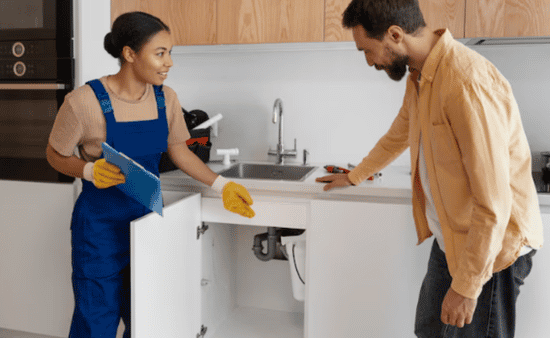
I used to think home maintenance meant waiting until something broke and then rushing to fix it. Over time, I learned that small habits prevent most stressful problems. Everyday Home Maintenance Tips for Beginners are not about becoming a repair expert. They are about noticing leaks, cleaning key areas, checking safety devices, and keeping your home easier to manage.
A beginner-friendly routine should feel realistic. You do not need to inspect every pipe or appliance daily. You only need to know what to watch for, what to clean often, and when to call a professional.
Why Simple Home Maintenance Matters
Home maintenance protects comfort, safety, and your budget. A dirty air filter can reduce airflow, a slow drain can become a clog, and a small leak under the sink can damage cabinets and flooring.
The best approach is prevention. When you know how your home normally looks, sounds, and smells, you can spot changes faster. That awareness is one of the most useful skills for anyone learning basic home care.
Daily Home Maintenance Habits
Daily maintenance should take only a few minutes. Wipe kitchen spills, clear crumbs, rinse sinks, and make sure water drains properly. Slow drains, musty smells, and standing water are early signs that something needs attention.
Check areas near sinks, toilets, the dishwasher, washing machine, and refrigerator for moisture. Look for water stains, soft flooring, or unusual odors. Reset one busy area each night, such as the entryway or kitchen counter. A cleaner space makes it easier to notice pests, dust buildup, damage, and maintenance issues.
Weekly Home Maintenance Tasks
Weekly tasks focus on dust, dirt, moisture, and safety. Vacuum floors, clean bathroom surfaces, wipe appliance handles, and empty trash bins fully. These habits reduce odors, pests, and grime.
In the kitchen, check the refrigerator for expired food and clean spills before they harden. Wipe the stovetop, microwave, and sink area so grease does not settle into surfaces. In bathrooms, look at grout, caulk lines, and corners for mildew. Also listen for dripping, rattling, buzzing, or humming sounds.
Monthly Home Maintenance Checklist
A monthly checklist gives your home deeper protection. Test smoke alarms and carbon monoxide detectors, replace batteries when needed, and keep fire extinguishers easy to reach.
Check air cleaners and air filters and replace or clean them based on the manufacturer’s instructions. Homes with pets, dust, or heavy heating and cooling use may need filter changes more often. Clean filters help systems run better and support healthier indoor air.
Inspect under sinks with a flashlight. Look at washing machine hoses, dryer vent areas, water heaters, and exposed pipes for rust, leaks, or cracks. Flush drains with hot water and clean faucet aerators if water pressure drops.
Seasonal Home Maintenance Tips
Seasonal maintenance helps your home handle weather changes. In spring, check gutters, windows, screens, outdoor faucets, and the roofline from the ground. Look for cracked caulk, damaged weatherstripping, or water pooling near the foundation.
Keeping up with these maintenance tasks can also help you create a calm and mindful home environment by preventing unexpected repairs, improving comfort, and maintaining a safe, well-cared-for living space throughout the year.
In summer, focus on cooling systems, ceiling fans, outdoor drainage, and pest prevention. Trim plants away from the exterior so moisture and insects do not stay close to the house.
In fall, clear leaves, inspect gutters again, test heating systems, and seal gaps around doors and windows. In winter, watch for frozen pipes, drafts, indoor humidity issues, and ice buildup.
Safety Checks Beginners Should Never Ignore
Safety checks should always be part of basic home maintenance. Test smoke and carbon monoxide alarms regularly. Keep stairs, walkways, and entry areas clear to reduce trip hazards. Make sure outdoor lights work near doors and steps.
Watch for electrical warning signs such as warm outlets, sparks, burning smells, flickering lights, or breakers that trip often. Do not overload power strips, especially with space heaters or large appliances. Clean the dryer lint trap after every use and schedule deeper vent cleaning if clothes take longer to dry. These simple safety steps can become part of your regular Home Cleaning Habits, helping reduce fire risks while keeping your home cleaner and more efficient.
Basic Tools Every Beginner Should Keep
You do not need a full workshop to maintain a home. A starter kit can include a flashlight, pliers, adjustable wrench, screwdriver set, tape measure, utility knife, work gloves, plunger, bucket, and safe ladder.
Keep simple cleaning supplies nearby too. Microfiber cloths, mild cleaner, scrub brushes, trash bags, drain strainers, and gloves can handle many everyday tasks.
When to DIY and When to Call a Professional
Beginners can usually handle cleaning, filter changes, simple caulking, tightening loose screws, unclogging basic drains, and checking for visible leaks. These tasks are low-risk and easy to learn.
Call a professional for electrical work, gas smells, major plumbing leaks, roof damage, mold spread, structural cracks, water heater issues, or anything involving safety codes. If a mistake could cause injury, fire, flooding, or expensive damage, expert help is smarter.
Frequently Asked Questions
1. What are the easiest home maintenance tasks for beginners?
Start with checking leaks, cleaning drains, replacing filters, testing alarms, and keeping vents clear.
2. How often should beginners maintain a home?
Do quick visual checks daily, clean high-use areas weekly, inspect systems monthly, and handle weather-related tasks seasonally.
3. Do I need expensive tools for basic home maintenance?
No, most beginners only need simple hand tools, cleaning supplies, gloves, a flashlight, and a safe ladder.
4. Why are Everyday Home Maintenance Tips for Beginners important?
They help prevent small issues from becoming expensive problems while keeping your home safer and easier to manage.
Final Thoughts
I believe home maintenance becomes easier when it starts with small, repeatable actions. You do not need every repair skill right away. You only need a routine that helps you notice leaks, dust, clogs, smells, weak airflow, and safety issues before they grow.
The more you practice, the more confident you become. A few minutes of care each day can protect your comfort, budget, and peace of mind. Everyday Home Maintenance Tips for Beginners make home care feel simple, practical, and possible for real life.