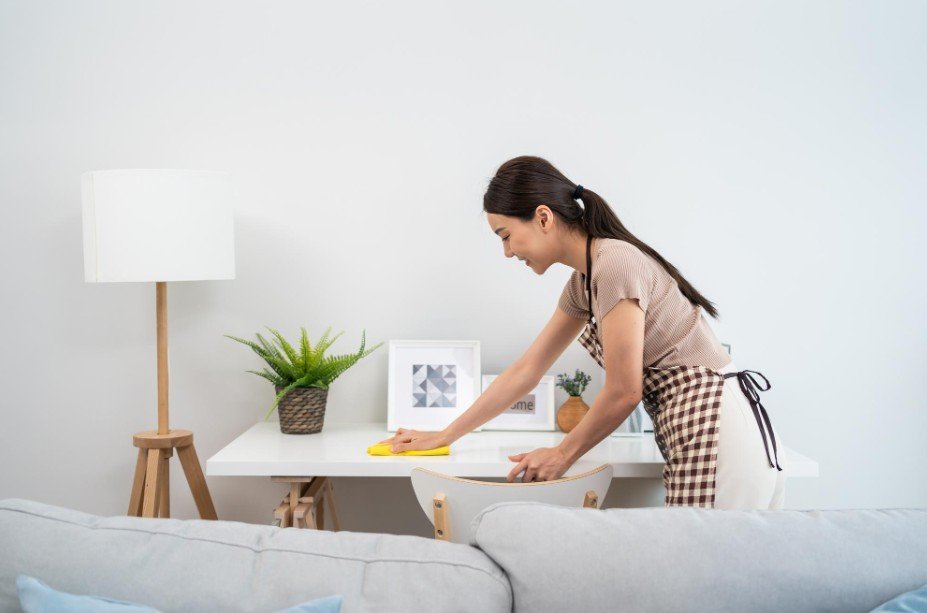
I used to think a clean home required one long, exhausting cleaning day. Over time, I realized that small routines make a much bigger difference than occasional deep cleaning.
Home Cleaning Habits That Make Everyday Life Easier are not about making your house look perfect every minute. They are about reducing the little messes that steal time, energy, and peace from your day.
A cleaner home feels easier to live in because you are not constantly searching for things, rushing to clear counters, or feeling guilty about chores piling up. The right habits help your home stay manageable, even when life gets busy. Instead of cleaning harder, the goal is to clean smarter with simple actions that fit naturally into your day.
Why Small Cleaning Habits Matter More Than Big Cleans
Big weekend cleaning sessions can feel productive, but they often happen after the mess has already become stressful. Small daily habits prevent that buildup. When dishes are handled before bed, laundry is not overflowing, and surfaces are cleared often, your home feels lighter without needing hours of work.
These habits also make cleaning feel less emotional. A messy room can make you feel behind before the day even starts. A simple reset can make your space feel calmer and help you focus on what matters.
Once your home feels cleaner and calmer, you can also use budget-friendly home makeover ideas for beginners to refresh rooms with simple decor, lighting, paint, and storage updates without spending too much.
The best part is that most of these habits take only a few minutes.
Daily Cleaning Habits That Keep Mess From Building Up
Make the Bed Before Leaving the Room
Making the bed is a small task, but it changes the mood of the bedroom instantly. It gives the room a finished look and makes it less tempting to drop clothes, bags, or papers on top of it. This habit also creates an early sense of order, which can make the rest of the day feel more controlled.
Follow the One-Touch Rule
The one-touch rule means you put something where it belongs the first time you touch it. Instead of placing keys on the counter, shoes near the sofa, or mail on the dining table, move each item directly to its proper place. This habit prevents clutter from spreading across flat surfaces.
It works especially well for everyday items like chargers, bags, jackets, cups, and paperwork. The fewer “temporary spots” you create, the less you need to clean later.
Clear Flat Surfaces Every Day
Counters, tables, nightstands, and entryway shelves collect clutter quickly. A daily surface reset keeps the home from looking messy even when the rest of it is fairly clean. Take a few minutes to return items to drawers, baskets, cabinets, or trash.
If cleaning tasks still feel hard to start, using ways to avoid procrastination and get moving can help you take small actions before clutter becomes overwhelming.
This habit is useful because flat surfaces are the first thing people notice. When they are clear, the whole room feels cleaner.
Kitchen Cleaning Habits That Save Time
Clean as You Cook
The kitchen becomes easier to manage when you clean while food is being prepared. Put ingredients away after using them, rinse utensils while something simmers, and wipe spills before they dry. This prevents the kitchen from turning into a second chore after the meal.
Cleaning as you cook also makes dinner feel less tiring. By the time the food is ready, half the work is already done.
Do the Dishes Before Resting
Leaving dishes in the sink overnight can make the next morning feel stressful. Food dries, odors develop, and the kitchen looks messy before the day begins. Loading the dishwasher or washing dishes after dinner keeps mornings smoother.
This does not mean the kitchen has to be perfect. Even a basic reset, such as clearing plates, wiping the sink, and running the dishwasher, can make a big difference.
Wipe Counters After Meals
Kitchen counters collect crumbs, grease, spills, and sticky spots throughout the day. A quick wipe after meals keeps pests away, prevents stains, and makes the kitchen feel ready for the next use. Keep a cloth or safe everyday cleaner nearby so the habit feels easy.
Bathroom Habits That Prevent Buildup

Wipe the Sink and Counter Daily
Bathroom counters can quickly collect toothpaste, water spots, hair, soap residue, and skincare products. A quick wipe once a day keeps the space fresh and prevents grime from becoming harder to remove.
This habit is especially helpful in shared bathrooms. When everyone leaves the sink cleaner than they found it, the room stays more pleasant.
Use a Shower Squeegee or Quick Rinse
Moisture causes soap scum, hard water marks, and mold in the house. A short rinse or quick squeegee after showering can reduce buildup on glass, tiles, and walls. It takes less than a minute but can save a lot of scrubbing later.
Good airflow also matters. Leaving the door open or turning on ventilation helps the bathroom dry faster.
Nightly Reset Habits for an Easier Morning
A nightly reset is one of the most useful routines for a calmer home. It does not need to be long. Ten minutes is enough to pick up the living room, fold blankets, put cups in the sink, clear shoes from walkways, and prepare key items for the next day.
This habit makes mornings easier because you wake up to order instead of yesterday’s mess. It also helps the home feel peaceful before sleep. A simple reset can include checking the kitchen, clearing the main seating area, and setting out anything needed for work, school, errands, or meals.
Laundry Habits That Stop Piles From Growing

Laundry becomes harder when it turns into a mountain. Doing smaller loads more often can make the task feel less overwhelming. The real habit is not just washing clothes; it is completing the cycle. Wash, dry, fold, and put items away before starting another load.
Doom basket organizing can also help. Keep separate spaces for lights, darks, towels, and clothes that need special care. When laundry is already sorted, starting a load feels quicker.
Simple Weekly Habits That Support Your Daily Routine
Daily habits keep the home manageable, but weekly routines help maintain deeper cleanliness. Vacuuming, mopping high-traffic areas, changing bed sheets, cleaning mirrors, emptying old food from the fridge, and dusting visible surfaces can all be handled once a week.
Choose a day or split tasks across the week. The best system is the one you can repeat. A realistic cleaning routine should support your life, not take it over.
Frequently Asked Questions
1. What are the best Home Cleaning Habits That Make Everyday Life Easier?
The best habits are cleaning as you go, making the bed, wiping counters, doing dishes nightly, clearing surfaces, and resetting rooms before bed.
2. How can I keep my home clean without cleaning all day?
Use short daily routines that stop mess early instead of waiting for clutter to build into a major task.
3. What should I clean every night before bed?
Focus on dishes, kitchen counters, the living room, entryway clutter, and anything needed for the next morning.
4. How do busy people keep their homes tidy?
They use simple systems, put items away immediately, clean in small blocks, and avoid letting chores pile up.
Final Thoughts
I believe a clean home should make life feel easier, not more pressured. The goal is not to chase perfection or spend every free hour cleaning. The goal is to build small habits that protect your time, reduce stress, and make your space easier to enjoy.
When you clean a little as you go, reset rooms before they become overwhelming, and keep daily routines realistic, your home starts working with you instead of against you. That is when cleaning becomes less of a chore and more of a quiet support system for everyday life.