I have always believed that a home makeover does not need to start with dust, demolition, or a huge shopping list. Sometimes, the best change begins with one wall, one corner, one light fixture, or one piece of furniture that finally gets used the right way.
Budget-Friendly Home Makeover Ideas for Beginners are all about making smart, simple updates that improve the way a home looks and feels without creating stress. When you are just starting out, the goal is not to make every room perfect. The goal is to make small changes that feel fresh, useful, and easy to maintain.
Start With a Simple Makeover Plan
Before buying paint, decor, storage baskets, or peel-and-stick tiles, choose one room that needs the most attention. Many beginners make the mistake of starting the living room, bedroom, kitchen, and bathroom at the same time. That usually leads to half-finished projects and wasted money.
Walk through the room and ask what feels wrong. Is it too dark? Is there too much clutter? Are the walls plain? Does the furniture layout feel awkward?
Once you know the main problem, set a small budget and focus only on updates that solve it. A calm makeover plan also becomes easier when you understand your habits and emotions, and to improve emotional intelligence for personal growth can help you make thoughtful choices instead of rushing into unnecessary updates.
A beginner makeover can start with a budget as low as $50, while a fuller weekend refresh may sit closer to $200 or $300.
Declutter Before You Decorate
The cheapest makeover step is removing what no longer belongs. Clear countertops, tabletops, shelves, and corners before adding anything new. A clean room instantly looks larger and more intentional.
Once the clutter is gone, restyle the items you already own. Move a lamp from the bedroom to the living room, place books on a tray, hang a mirror in a narrow hallway, or use a basket to hide everyday items. These small changes can make a room feel designed without spending much at all.
Use Paint for Instant Impact
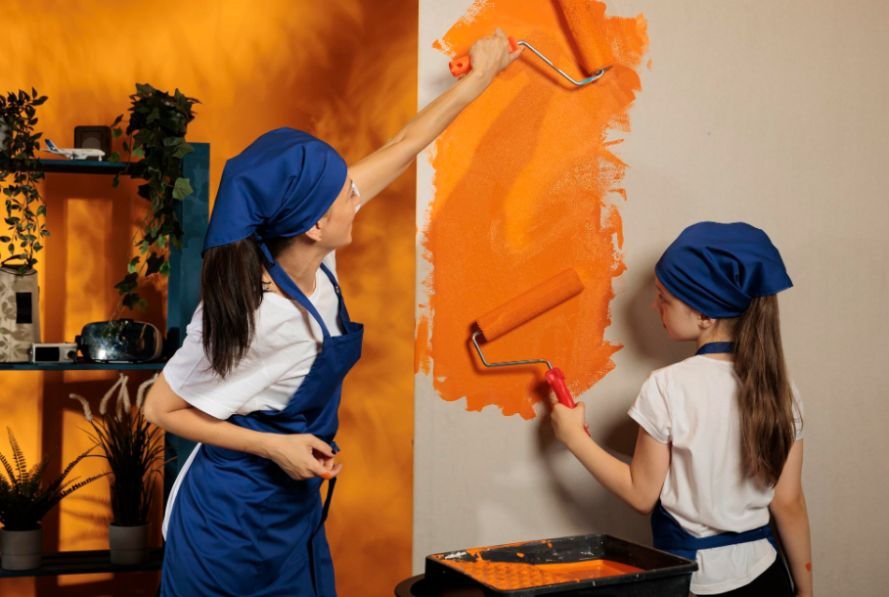
Paint is one of the easiest ways to change the mood of a room. Beginners do not need to paint the whole house. Start with one accent wall, a bathroom vanity, a dated side table, an interior door, or old trim.
Soft neutrals, warm whites, muted greens, dusty blues, and gentle beige tones can make a room feel calm and updated. Always test a sample first because paint can look different in morning light, evening light, and artificial lighting. Good painter’s tape, a drop cloth, and proper prep work matter more than rushing through the job.
Try Peel-and-Stick Updates
Peel-and-stick products are useful for beginners because they offer a fresh look without permanent remodeling. Peel-and-stick wallpaper can work behind a bed, inside shelves, in a powder room, or on a small entryway wall. Peel-and-stick backsplash tiles can make a kitchen look brighter without grout or heavy tools.
For renters, removable updates are especially helpful. Still, it is smart to test adhesive products in a hidden area first. Some surfaces respond better than others, and testing helps avoid damage later.
Refresh the Kitchen Without Remodeling
A kitchen makeover does not have to include new cabinets or countertops. Start by cleaning cabinet doors, tightening handles, and removing items from counters. Then replace old knobs and pulls with simple modern hardware. This small change can make cabinets look newer almost immediately.
Lighting also matters in the kitchen. Under-cabinet lights, brighter bulbs, or a stylish plug-in wall light can make the space feel cleaner and easier to use. If the cabinets are in good condition but look dated, painting them may help, but beginners should start with a small cabinet or sample board before committing to the whole kitchen.
Make the Living Room Feel Finished
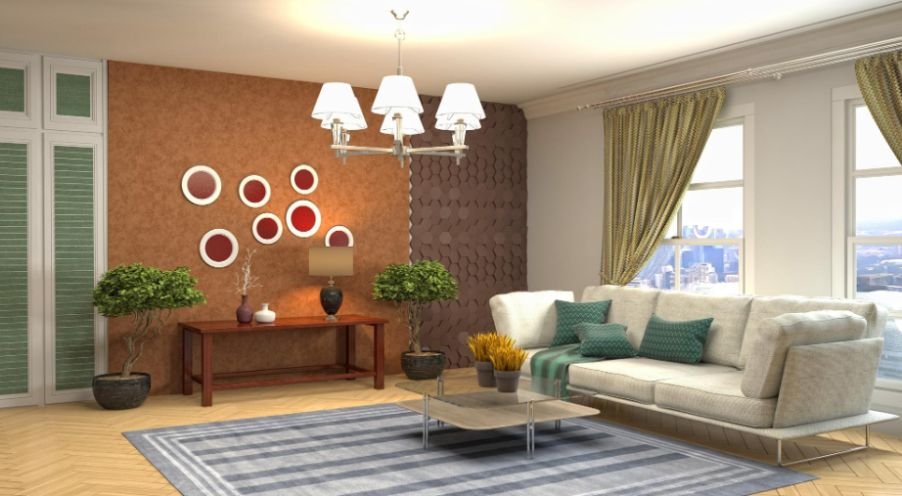
The living room often looks unfinished because furniture is pushed too far apart or decor is scattered without a plan. Pull seating closer together to create a comfortable conversation area. Add a rug that connects the main furniture pieces. Replace old pillow covers instead of buying new pillows.
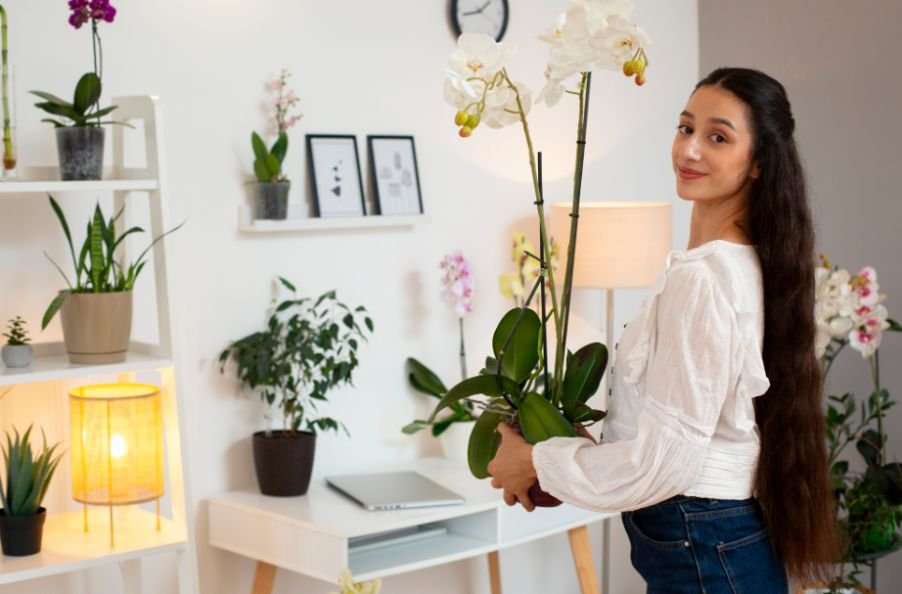
Curtains can also change the room. Hang them higher and wider than the window frame to make the ceiling feel taller and the room feel more polished. A floor lamp, framed prints, plants, and a few thrifted decor pieces can make the space feel warm without looking overcrowded.
Create a Cozy Bedroom on a Budget
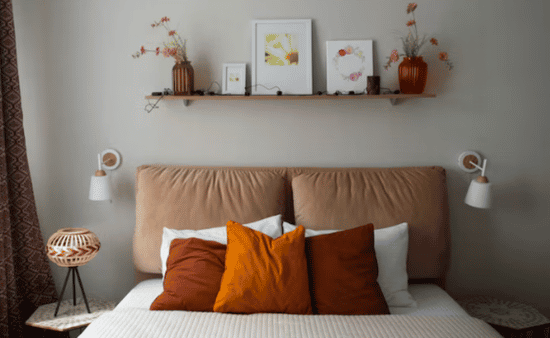
A bedroom makeover should focus on comfort first. Fresh bedding, soft lighting, and a calm color palette can make a big difference. If a new bed frame is too expensive, create a simple headboard effect with paint, fabric panels, or peel-and-stick wood.
Keep nightstands simple. A lamp, one book, and a small tray are enough. Too many items near the bed can make the room feel messy even when it is clean. Add texture with a throw blanket, curtains, or a rug near the bed.
Upgrade the Bathroom Without a Contractor
Bathrooms are great for beginner projects because small updates show quickly. Replace the shower curtain, add fresh towels, use a countertop tray, update cabinet hardware, and add simple wall shelves for storage.
A new mirror can make the bathroom look brighter, while a grout pen can refresh tired tile lines. If the floor looks outdated, a washable rug or peel-and-stick floor tile can help. Keep the color scheme simple so the room feels clean instead of crowded.
Add Better Storage in Every Room
Storage is not just practical; it changes the way a room looks. For smaller spaces, you can also use smart storage ideas for small homes to organize everyday items, reduce clutter, and make each room feel more open without adding bulky furniture.
Use baskets for blankets, bins for toys, best drawer organizers for home items, and wall hooks for bags or coats. Floating shelves can add storage without taking up floor space.
In small homes, every piece should work harder. A bench with storage, a coffee table with hidden space, or a nightstand with drawers can make daily life easier while keeping the room neat.
Frequently Asked Questions
1. What are the best Budget-Friendly Home Makeover Ideas for Beginners?
The best ideas include decluttering, painting small areas, replacing cabinet hardware, improving lighting, using peel-and-stick accents, adding storage, and refreshing decor with items you already own.
2. How much should I spend on a beginner home makeover?
A simple room refresh can start around $50, while a more complete weekend makeover may cost between $100 and $300 depending on the size of the room and materials used.
3. Which room should I makeover first?
Start with the room you use the most or the space that feels the most cluttered, outdated, dark, or difficult to enjoy.
4. Can renters do home makeovers safely?
Yes, renters can use removable wallpaper, rugs, plug-in lighting, curtains, freestanding shelves, baskets, and decor updates while following their lease rules.
Final Thoughts
I think the best home makeovers are the ones that feel possible from the beginning. You do not need to spend a lot or change everything at once to enjoy your space more. Start with one problem, choose one room, and make one simple upgrade that improves daily life.
When small projects are done with care, they can make a home feel brighter, cleaner, and more personal without the pressure of a full renovation.