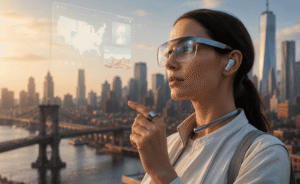
A couple of decades ago, using technology often felt like a separate activity. You sat down at a computer, logged into the internet, completed a task, and then returned to your regular routine. Today, that distinction barely exists. Technology no longer sits outside our daily lives. It shapes how we communicate, shop, work, travel, exercise, and even relax without demanding constant attention.
The evolution of the digital lifestyle has been less about dramatic inventions and more about gradual integration. Many of the technologies we rely on now operate quietly in the background, creating seamless experiences that feel almost invisible. From smart devices and cloud services to artificial intelligence and connected technology, everyday life has become deeply intertwined with digital systems that work around the clock.
What a Digital Lifestyle Really Means

A digital lifestyle refers to the way people use technology to manage everyday activities. It extends beyond owning devices or using apps. Instead, it reflects a broader digital ecosystem where information, services, and communication tools are interconnected.
What makes modern digital living different is the level of integration. Rather than using technology for isolated tasks, people now depend on connected platforms that continuously exchange information. The result is a more streamlined experience where multiple activities can be managed through a single device or interface.
The Early Stages of the Evolution of Digital Lifestyle
The Internet Becomes Part of Everyday Life
Before widespread internet access, daily tasks often required physical resources. People used paper maps for directions, printed bank statements for financial records, and television schedules for entertainment planning.
The arrival of the internet changed those habits. Suddenly, information became accessible from a single screen. However, digital communication still required conscious effort. Users had to sit at a desktop computer, connect to the internet, and complete specific tasks before logging off.
From Desktop Computers to Mobile Access
The next major shift occurred when mobile technology became mainstream. Laptops offered flexibility, but smartphones completely transformed accessibility.
Instead of going online occasionally, people remained connected throughout the day. Navigation, messaging, shopping, and entertainment moved into the palm of a hand. This transition marked an important milestone in the evolution of digital lifestyle because technology became portable rather than stationary.
How Smartphones Changed Everything
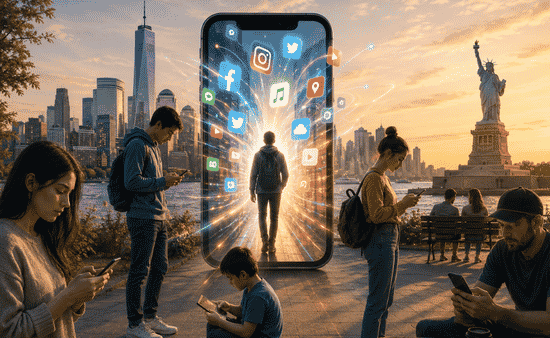
Few innovations have influenced modern technology as much as the smartphone. What once required several devices can now be handled through a single screen.
Digital cameras, GPS units, alarm clocks, MP3 players, calculators, and voice recorders have largely been absorbed into smartphones. This hardware consolidation simplified everyday routines while reducing the need for multiple consumer electronics.
Beyond replacing physical devices, smartphones became personal control centers. Mobile apps now allow users to transfer money, manage subscriptions, order groceries, schedule transportation, monitor security systems, and communicate instantly.
This convenience has accelerated technology adoption across every age group, making connected living a standard part of modern life.
The Rise of Connected Living
Smart Homes and Automated Experiences
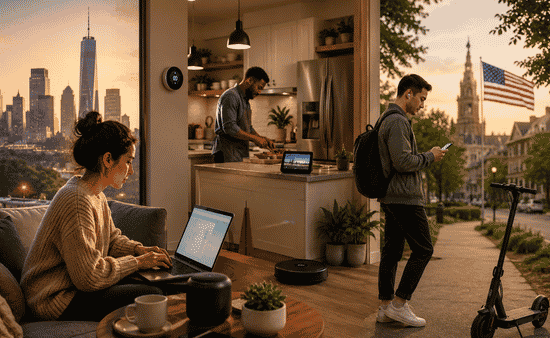
One of the most noticeable digital lifestyle trends is the growth of smart home technology. Connected thermostats, security systems, lighting controls, and voice assistants operate together to create automated environments.
Unlike earlier forms of technology that required active interaction, many smart home systems work passively. Sensors detect patterns, cloud computing platforms process information, and automated responses occur without direct input.
This shift from active engagement to ambient integration represents one of the defining characteristics of today’s digital lifestyle.
Health, Fitness, and Wearable Technology
Technology has also reshaped personal health management. Instead of relying solely on occasional medical appointments, many individuals now monitor wellness data continuously.
Devices that support smart wearable experiences can track sleep quality, daily activity levels, heart rate patterns, and other health indicators throughout the day. This constant feedback encourages a more proactive approach to well-being.
The growing popularity of wearable technology reflects a larger movement toward data-driven decision-making in everyday life. People no longer wait for annual checkups to understand their health habits. They can access meaningful insights in real time.
Digital Lifestyle Beyond Devices

While devices often receive the most attention, much of today’s digital transformation is powered by invisible infrastructure.
Cloud services allow files, photos, and applications to remain accessible across multiple devices. Streaming platforms have replaced fixed entertainment schedules with on-demand digital experiences. Virtual collaboration tools support communication between teams regardless of location.
This flexibility has fundamentally changed how people approach work and personal responsibilities. The rise of remote work demonstrated that productivity is no longer tied to a specific office environment. Employees can collaborate through digital communication platforms from nearly anywhere with internet connectivity.
At the same time, consumers have come to expect instant access to services, information, and entertainment. Digital convenience has become a standard expectation rather than a luxury.
The Role of Artificial Intelligence in Everyday Technology
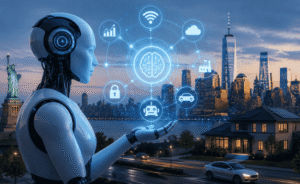
Artificial intelligence increasingly influences the technology people use every day, often without being noticed.
Streaming platforms recommend content based on viewing habits. Shopping websites personalize product suggestions. Navigation apps calculate routes using real-time traffic data. Virtual assistants respond to voice commands and automate routine tasks.
These systems rely on machine learning models that analyze behavior patterns and preferences. The goal is to reduce friction and improve user experiences through automation.
As AI capabilities continue to evolve, personalization will likely become even more sophisticated. Future digital lifestyles may involve technology that anticipates needs before users actively request assistance.
Frequently Asked Questions: Understanding the Evolution of Digital Lifestyle Through Everyday Technology
What is meant by the evolution of the digital lifestyle?
The evolution of digital lifestyle refers to the gradual transformation of daily living through technology, from occasional internet use to continuous integration of connected devices, digital services, and automated systems.
How have smartphones influenced digital lifestyles?
Smartphones consolidated multiple technologies into a single device, making communication, navigation, entertainment, shopping, and productivity more accessible and convenient.
What role does artificial intelligence play in everyday technology?
Artificial intelligence powers personalized recommendations, virtual assistants, predictive analytics, automation tools, and many other services that enhance digital experiences.
Why is digital wellness becoming more important?
As technology becomes more integrated into daily life, managing screen time, reducing information overload, and maintaining healthy boundaries have become essential for long-term well-being.
Why Technology Feels More Personal Than Ever
The most interesting aspect of the evolution of digital lifestyle is not the devices themselves but how seamlessly they fit into everyday routines. Technology has moved from something people actively used to something that quietly supports countless decisions throughout the day.
Whether it’s recommending a playlist, adjusting home settings, tracking wellness goals, or helping teams collaborate remotely, digital systems have become deeply woven into the fabric of modern life. What once felt innovative now feels natural because these tools operate as extensions of daily habits rather than separate technologies.
The future of digital living will likely be defined less by bigger devices and more by smarter, quieter experiences that work in the background while keeping people connected, informed, and productive.