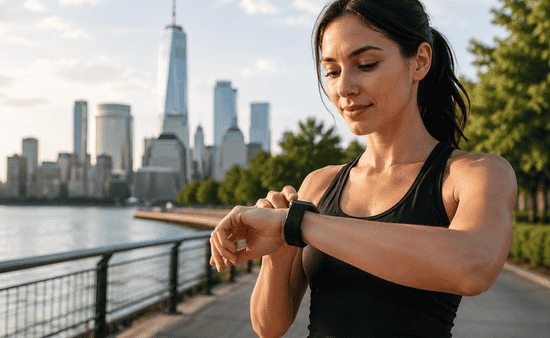
A few years ago, wearable technology felt like something reserved for fitness enthusiasts and early adopters. Most devices focused on counting steps, tracking workouts, or delivering smartphone notifications to a smaller screen. Today, that picture looks very different. Wearables have quietly moved beyond niche gadgets and become practical tools that fit naturally into everyday routines.
What’s interesting is how little attention we now pay to the technology itself. Instead of thinking about the device, people focus on the value it provides. Whether it’s monitoring sleep, managing stress, receiving hands-free updates, or tracking health metrics in real time, smart wearable experiences have become part of how many people navigate daily life.
What Smart Wearable Experiences Really Mean

Beyond Devices and Features
The term “smart wearable experiences” goes beyond hardware specifications or flashy features. It describes how wearable devices interact with users in ways that feel seamless, personalized, and useful.
Modern wearable technology collects real-time data through biometric sensors and translates that information into meaningful insights. Rather than simply displaying information, these devices help people make decisions, improve habits, and manage everyday tasks more efficiently.
The focus has shifted from owning a device to benefiting from an experience. That transition is one of the biggest reasons wearables continue to gain mainstream adoption.
Why Wearables Have Become Part of Daily Life
Convenience Without Constant Screen Time
One reason smart wearables have become so popular is their ability to reduce dependence on smartphones. Quick notifications, contactless payments, navigation prompts, and voice commands allow users to stay connected without constantly reaching for a device.
This frictionless approach fits naturally into modern digital communication habits. People can stay informed while remaining focused on work, exercise, commuting, or personal interactions.
Instead of adding another screen to daily life, many wearable devices help reduce screen time by delivering only the most relevant information when needed.
Health Tracking That Feels Effortless
Health monitoring technology has become one of the strongest drivers behind wearable adoption.
Today’s smart wearables continuously track heart rate, sleep quality, physical activity, blood oxygen levels, and stress indicators. This constant flow of information helps users develop a better understanding of their overall well-being without requiring manual input.
Many devices now provide personalized recommendations based on trends rather than isolated data points. The result is a more proactive approach to health management that feels integrated into everyday life rather than requiring dedicated effort.
The Technology Making Smart Wearable Experiences More Useful
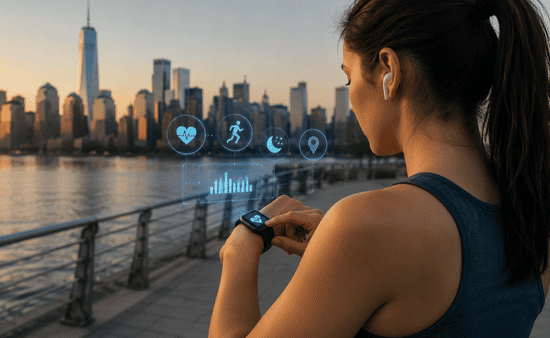
Biometric Sensors and Real-Time Data
The accuracy and sophistication of sensor technology have improved dramatically over the past decade.
Modern wearable devices can collect continuous streams of data related to movement, sleep architecture, cardiovascular activity, and recovery patterns. This real-time data creates opportunities for earlier intervention and better lifestyle decisions.
For example, some devices can detect irregular heart rhythms or changes in sleep quality before users notice symptoms themselves. These capabilities are helping wearable innovations move beyond fitness tracking and into preventive health applications.
Artificial Intelligence and Personalized Recommendations
Artificial intelligence has become one of the most important components of smart wearable experiences.
Instead of simply recording information, machine learning systems analyze patterns over time. This allows devices to understand behavior, recognize routines, and provide recommendations that feel relevant to each individual user.
A wearable may learn when someone typically exercises, identify periods of high stress, or suggest adjustments to sleep schedules based on historical data. These predictive insights transform wearables from passive tracking tools into active digital assistants.
For readers interested in how connected technologies are evolving beyond today’s devices, next wave of technology explained offers useful context on where intelligent systems are heading.
Where Smart Wearable Experiences Are Expanding Next
Smart Rings and Advanced Health Monitoring
While smartwatches remain dominant, newer form factors are attracting significant attention.
Smart rings offer many of the same health monitoring capabilities while maintaining a minimalist appearance. Their smaller size makes them appealing to users who want continuous tracking without wearing a watch throughout the day.
Advanced sensors are also improving the ability to monitor recovery, stress, temperature changes, and sleep quality with increasing accuracy.
Smart Glasses and Hands-Free Digital Interaction
Smart glasses represent another major area of growth.
Rather than requiring users to look down at a screen, these devices can provide information directly within a person’s field of view. Navigation instructions, notifications, and contextual information can appear without interrupting normal activities.
As augmented reality technology matures, smart glasses may become one of the most significant developments in personal technology.
Workplace and Productivity Applications
Wearable technology is also transforming professional environments.
Hands-free access to schedules, communications, and workflow updates allows employees to remain productive while minimizing distractions. In industrial settings, smart helmets and smart glasses can display real-time instructions and safety information.
Some organizations are also exploring fatigue detection systems that use biometric sensors and accelerometers to identify potential safety risks before accidents occur.
How Wearables Are Shaping a More Connected Lifestyle
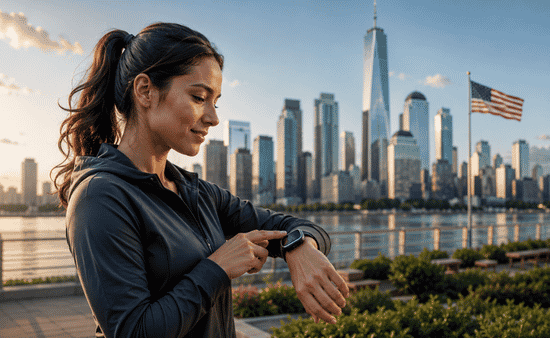
Smart wearable experiences are increasingly influencing behavior rather than simply tracking it. By providing timely information, personalized recommendations, and contextual support, these devices help users make small decisions that can improve health, productivity, and daily routines.
The growing focus on accessibility, ambient computing, and user experience suggests that wearables will become even less noticeable over time. Future innovations may include biometric clothing, smart contact lenses, epidermal electronics, and other form factors that blend naturally into everyday life.
As technology becomes more responsive and personalized, the line between digital tools and human behavior will continue to blur.
Frequently Asked Questions: Why Smart Wearable Experiences Are Becoming Part of Everyday Technology
What are smart wearable experiences?
Smart wearable experiences refer to the personalized interactions and services provided through wearable devices such as smartwatches, smart rings, smart glasses, and health-monitoring technology. The focus is on delivering useful insights and assistance rather than simply collecting data.
How do smart wearables improve daily life?
They help users monitor health metrics, manage notifications, make contactless payments, receive personalized recommendations, and stay connected without constantly using smartphones.
Are smart wearable experiences only for health tracking?
No. While health monitoring is a major use case, wearables also support productivity, communication, navigation, entertainment, workplace safety, and smart home integration.
What is the future of wearable technology?
Future developments are expected to include more advanced biometric sensors, AI-driven personalization, smart glasses, smart rings, biometric clothing, and wearable devices that blend seamlessly into daily routines.
Why Technology Feels More Natural When It Disappears Into Daily Life
The most successful technologies rarely demand attention. They become valuable because they fit naturally into existing behaviors and solve problems without creating new ones. Smart wearable experiences are following that path.
Instead of asking users to adapt to technology, modern wearables adapt to users. They gather real-time data, provide relevant insights, and support healthier, more efficient lifestyles while remaining largely invisible in the background.
As wearables continue to evolve, their greatest strength may not be what they do but how effortlessly they become part of everyday life.