Packing for a U.S. domestic trip should feel simple, but one wrong item in your carry-on can slow you down before you reach the gate. I always tell travelers to remember one key difference: TSA screens what goes through airport security, while your airline decides how many bags you can bring onboard and how large those bags can be.
That means TSA carry-on rules for domestic flights are mainly about safety, liquids, electronics, batteries, food, medicine, and prohibited items, not the final overhead-bin policy.
What Does TSA Check on Domestic Flights?
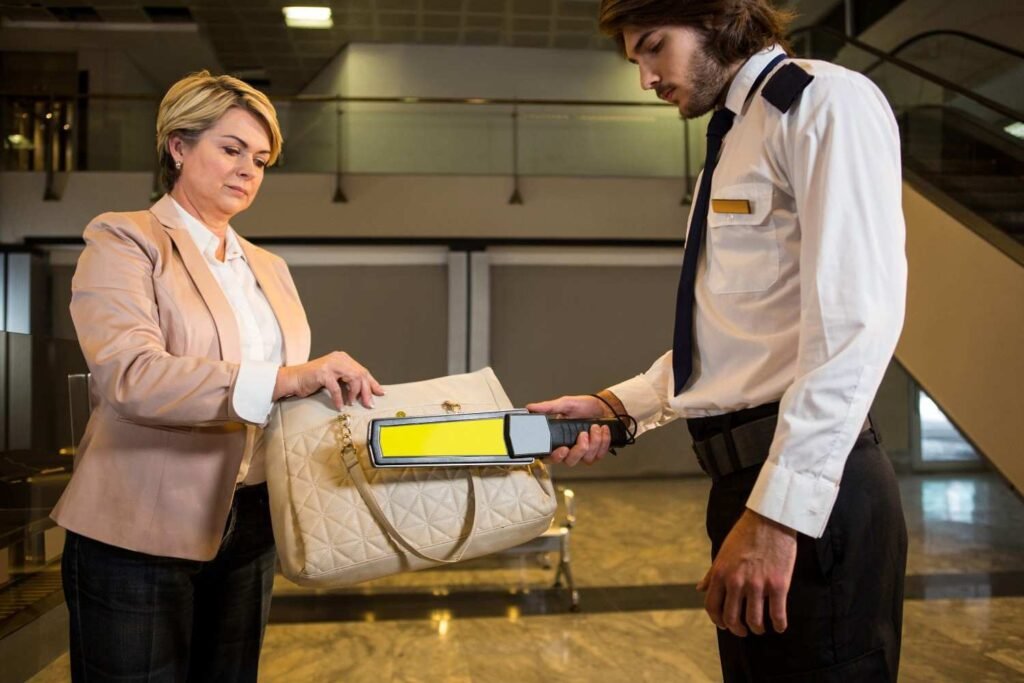
TSA officers screen carry-on bags and personal items before passengers enter the secure area. Your carry-on can usually include clothing, snacks, toiletries, electronics, chargers, medicine, and travel documents.
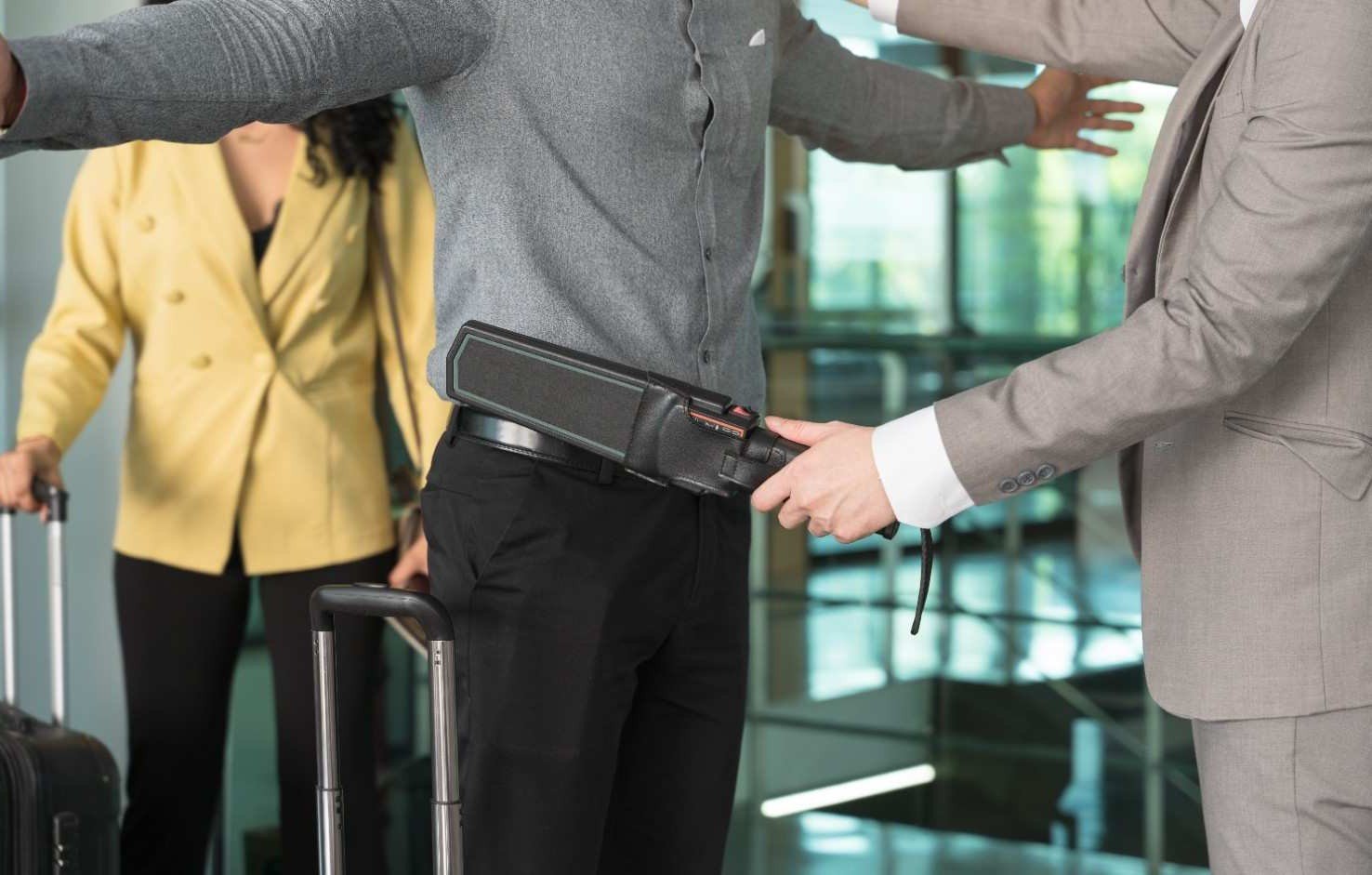
TSA may stop oversized liquids, sharp objects, weapons, flammable materials, and anything that looks unsafe during X-ray screening. Officers also have final discretion, so an item can receive extra inspection.
What Size Carry-On Bag Is Allowed?
TSA does not normally reject a bag because of its dimensions. Airlines handle carry-on bag size, personal item size, and overhead-bin rules.
Major domestic carriers, including American Airlines, Delta, and United, commonly use a carry-on limit around 22 x 14 x 9 inches, including wheels and handles. Still, check your airline because budget fares, regional aircraft, and Basic Economy tickets can change what you are allowed to board with.
A personal item must fit under the seat in front of you. This may be a purse, laptop bag, small backpack, or compact tote. If you overpack a soft-sided bag, it may bulge and fail the gate size check.
How Does the TSA 3-1-1 Liquids Rule Work?
The TSA 3-1-1 rule applies to liquids, gels, aerosols, creams, and pastes in your carry-on. Each container must be 3.4 ounces or 100 milliliters or smaller. All containers must fit inside one clear quart-size zip-top bag, and each traveler gets one liquids bag.
This rule covers shampoo, conditioner, lotion, toothpaste, sunscreen, perfume, shaving cream, liquid makeup, mouthwash, and similar toiletries. A half-empty full-size bottle still counts as oversized.
The temporary pandemic-era allowance for larger hand sanitizer containers has ended, so hand sanitizer must follow the standard 3.4-ounce carry-on limit. If you need more product, pack full-size liquids in checked baggage or use solid alternatives.
What Liquid Exceptions Does TSA Allow?
TSA allows some essential liquids in larger quantities when they are medically necessary or needed for children. Formula, breast milk, toddler drinks, baby food pouches, liquid medication, insulin, prescription liquids, and necessary over-the-counter liquid medicine may exceed the standard 3.4-ounce limit.
Cooling packs, ice packs, and gel packs used to preserve breast milk or medication can also pass through screening, even if partially melted. Pack these items where you can remove them quickly, especially before you move through the full body scanner, and tell the TSA officer before screening begins.
Can You Bring Food and Snacks Through TSA?
Solid food is usually allowed in a carry-on bag. Solid snacks can make a domestic flight easier. Liquid or gel-like foods are different. Peanut butter, yogurt, soup, sauces, dips, jelly, and salad dressing must follow the 3.4-ounce rule. You can bring an empty reusable water bottle and fill it after the checkpoint.
What Electronics and Batteries Can Go in a Carry-On?
Laptops, tablets, cameras, phones, headphones, chargers, and adapters are generally allowed in carry-on baggage. At many checkpoints, TSA may ask you to place large electronics in a separate bin for X-ray screening. You may not need to remove them in lanes with updated CT scanners or when TSA PreCheck procedures apply.
Loose lithium-ion batteries, spare batteries, portable power banks, and battery charging cases must stay with you in the cabin and should not go in checked bags because of fire risk. If your carry-on gets gate-checked, remove power banks and spare lithium batteries before handing the bag to airline staff.
What Items Are Forbidden in a Carry-On?
Some items should never go in your carry-on. TSA can confiscate oversized liquids, filled water bottles before security, pocket knives, box cutters, utility blades, and weapons. Scissors are allowed only when the blades are shorter than 4 inches from the pivot point. Larger scissors should go in checked baggage.
Flammable materials are also restricted. Lighter fluid, spray paint, fuels, explosives, and alcohol over 140 proof, or 70% ABV, are not allowed in carry-on or checked baggage. Sports equipment such as baseball bats, golf clubs, and hockey sticks usually belong in checked baggage.
How Can You Pack to Move Through Security Faster?
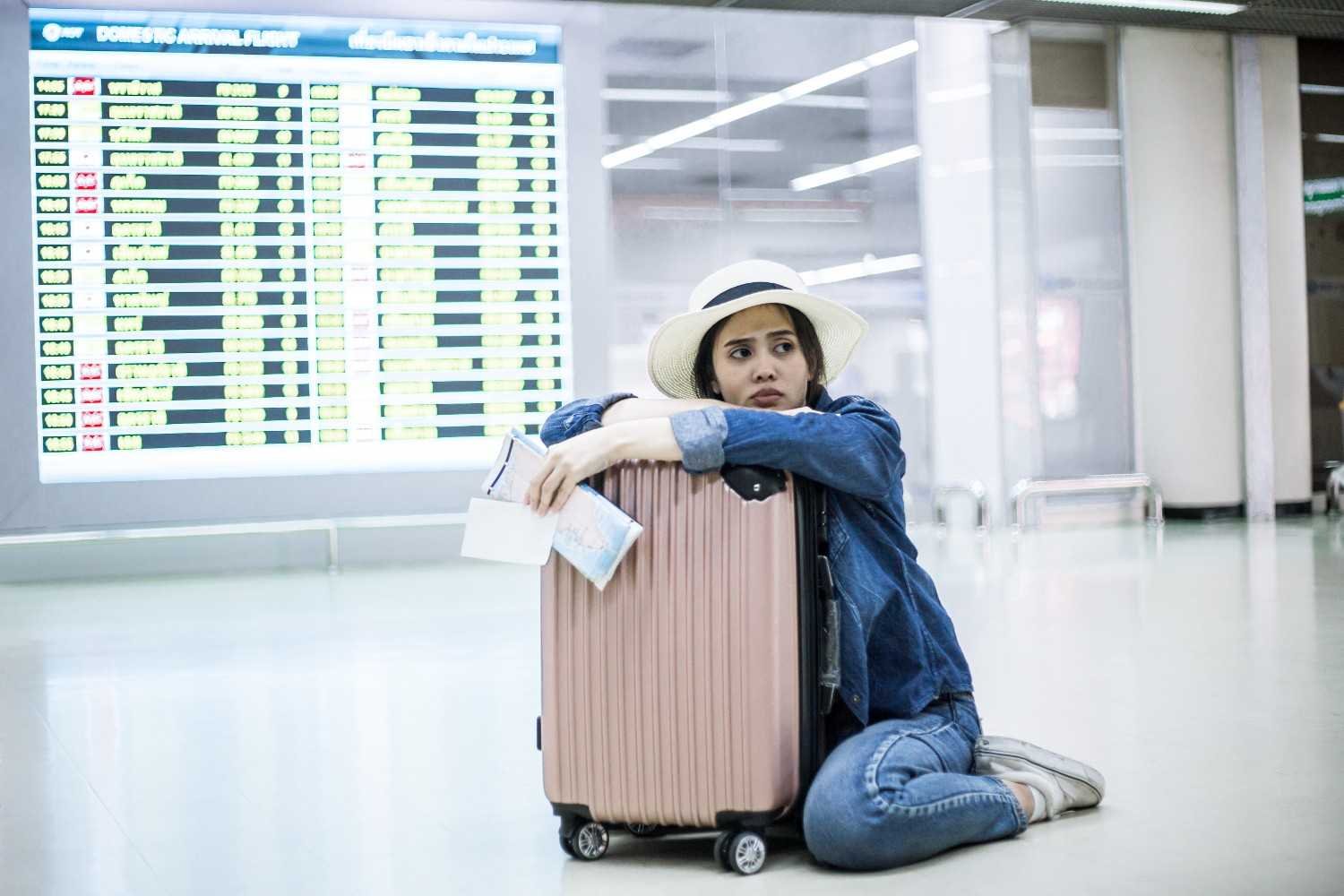
I like to pack my carry-on in layers. Put your liquids bag, electronics, medicine, snacks, and travel documents near the top so you can reach them quickly. Use small pouches for chargers and clear bags for toiletries. Before leaving home, check every pocket for old pocket knives, large lotions, tools, or lighters.
Frequently Asked Questions (FAQs)
1. Can I bring full-size shampoo on a domestic flight?
No. Full-size shampoo must go in checked baggage unless the container is 3.4 ounces or smaller.
2. Does the TSA weigh carry-on bags?
No. TSA focuses on security screening, while airlines decide carry-on weight and size limits.
3. Can I bring a razor in my carry-on?
Disposable razors are generally allowed, but loose razor blades are not allowed in carry-on bags.
4. Can I bring a power bank on a plane?
Yes. Power banks must travel in your carry-on or personal item, not in checked baggage.
Final Takeaway
TSA carry on rules for domestic flights are easier to follow when you separate TSA security rules from airline baggage rules. TSA checks what is inside your bag. Your airline decides whether the bag fits onboard.
Before I fly, I check liquids, remove sharp or flammable items, keep medicine easy to access, and make sure my power bank stays in my personal item. As one of the most useful airport tips for first time travelers, I also confirm my airline’s carry-on size limit, especially when flying Basic Economy, to avoid airport delays and start my trip with less stress.