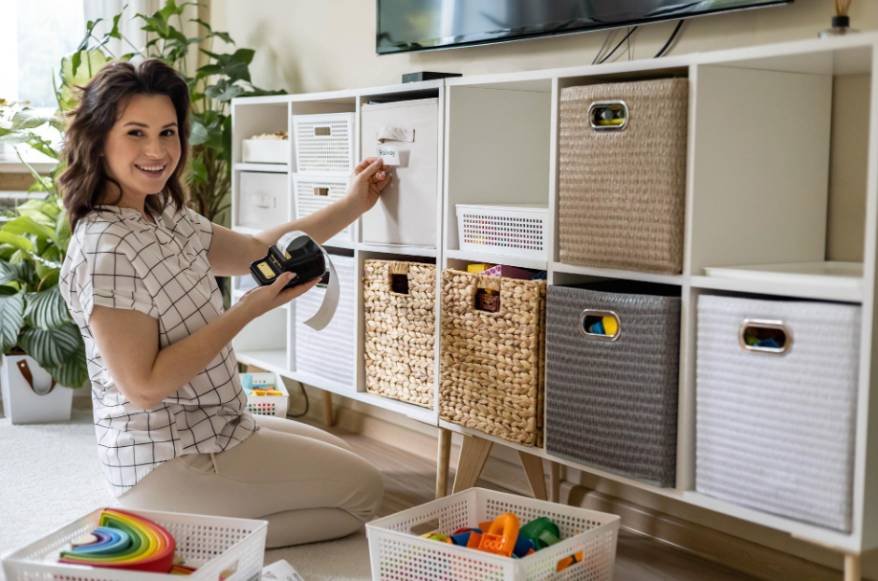
I’ve always believed that a small home does not have to feel tight, messy, or difficult to live in. Most of the time, the problem is not the size of the space but the way the space is used. When every chair, shelf, cabinet, and corner has a clear purpose, even a compact home can feel calm and open.
That is why Smart Storage Ideas for Small Homes and Apartments matter so much. They help turn wasted spots into useful storage without making rooms feel crowded.
Why Small Spaces Need Better Storage
A small home can become cluttered quickly because everything is close together. Shoes near the door, bags on chairs, kitchen items on counters, and laundry in corners can make the entire place feel smaller than it really is. Good storage solves this by giving every item a fixed home.
The goal is not to hide everything in random boxes. The goal is to create a simple system that works every day. Storage should be easy to reach, easy to maintain, and suitable for the way the home is actually used.
Start With Decluttering Before Buying Organizers
Before adding shelves, bins, baskets, or furniture, it helps to remove things that no longer serve a purpose. Many people buy organizers first, then fill them with items they should have cleared out. That only moves clutter from one place to another.
Start with one room at a time. Keep what is useful, beautiful, or regularly needed. Building simple organizing habits becomes easier when you follow daily habits to improve life with simple routines, especially if you want your small home to stay neat without feeling like constant work.
Donate, recycle, or discard items that only take up space. Once the extra items are gone, it becomes easier to choose storage that fits the real amount of belongings in the home.
Use Vertical Space the Right Way
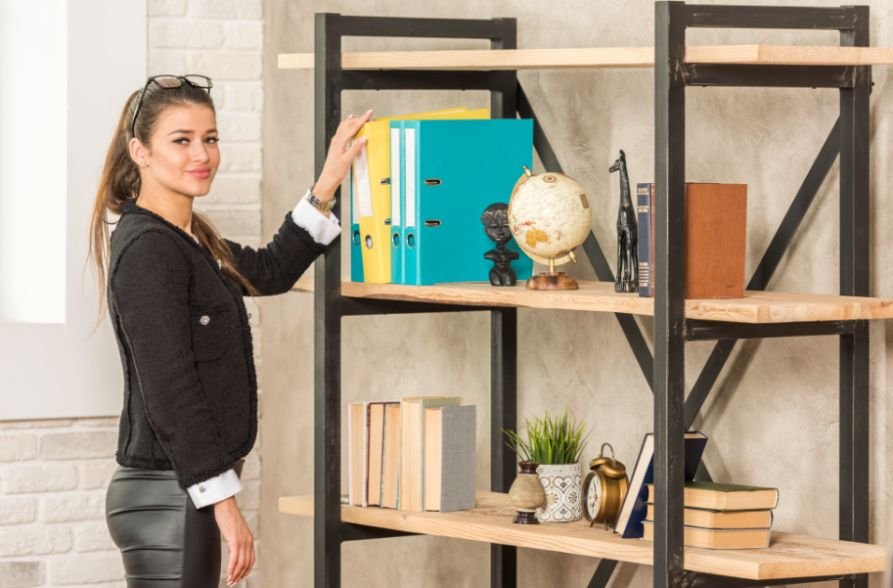
Walls are one of the most underused areas in a compact home. Tall shelves, floating shelves, pegboards, and wall hooks can free up floor space while keeping items accessible. In a living room, a tall bookcase can store books, baskets, decor, files, and small electronics. In a kitchen, wall-mounted rails can hold mugs, pans, or cooking tools.
The key is balance. Too many open shelves can make a room look busy. A mix of open and closed storage works better. Display attractive items on open shelves and place everyday clutter inside cabinets, boxes, or covered baskets.
Choose Furniture That Does More Than One Job
Multifunctional furniture is one of the easiest ways to save space. A storage ottoman can work as seating, a footrest, and a place to keep blankets. A bed with drawers can replace a dresser. A lift-top coffee table can become a work surface and hidden storage spot.
For small dining areas, a drop-leaf table or foldable table can create more walking space when not in use. In a studio or shared home, a sofa bed can make one room work for both daytime seating and nighttime sleeping.
Make Hidden Storage Work Harder
Hidden storage keeps a home looking clean without removing convenience. Under-bed boxes are great for seasonal clothing, spare linens, shoes, and rarely used items. Benches with lift-up seats can hold bags, kids’ items, or entryway accessories.
Closed cabinets are especially helpful in small homes because visual clutter can make a room feel stressful. Even when items are organized, too many visible objects can overwhelm the eye. Hidden storage creates a calmer look and helps the space feel larger.
Turn Doors Into Storage Zones
Doors are often ignored, but they can hold a surprising amount. Over-the-door racks can store shoes, cleaning supplies, accessories, toiletries, pantry items, or craft materials. Cabinet doors can hold slim racks for cutting boards, lids, foil, wraps, or small tools.
This is a great option for renters because many door organizers do not require drilling. It is also useful in bathrooms and kitchens, where cabinets are usually limited.
Smart Kitchen Storage for Compact Homes

Small kitchens need storage that keeps counters clear. Use drawer dividers for utensils, shelf risers for plates, and storage containers for pantry items. Magnetic strips can hold knives or spice tins, while hooks under shelves can hold mugs.
Inside cabinets, pull-out baskets and lazy Susans make deep corners easier to use. Instead of stacking pots in a messy pile, use vertical dividers for pans, trays, and lids. Keeping counters open makes cooking easier and instantly makes the kitchen look bigger.
Bathroom Storage Ideas for Tight Spaces
Bathrooms often have very little built-in storage. A slim cabinet above the toilet can hold towels, tissue, skincare, and cleaning items. Wall shelves can store daily essentials, while small baskets can group products by category.
Use the back of the bathroom door for robes, towels, or hair tools. If the sink has open space below, add a small rolling cart or stackable drawers. Clear containers can also help keep small items visible without creating mess.
Bedroom and Closet Storage That Saves Space
Bedrooms should feel restful, so storage should reduce clutter instead of adding more furniture. Under-bed drawers, hanging closet organizers, slim hangers, and bedside tables with drawers can make a big difference.
Closets work better when items are grouped by type. Keep daily clothing at eye level, seasonal clothing higher up, and shoes in a rack or under-bed box. If the closet is small, use the inside of the door for belts, bags, scarves, or accessories.
Living Room Storage That Looks Stylish
The living room often has to handle many roles. It may be a lounge, office, play area, entertainment zone, and guest space. Storage should blend into the design instead of looking like an afterthought.
Use closed media cabinets for electronics, baskets for blankets, nesting tables for flexibility, and storage benches for extra seating. A narrow console behind a sofa can hold books, lamps, chargers, and daily essentials without taking much space.
Entryway Storage for Everyday Clutter
The entryway sets the tone for the whole home. Even a tiny entry can become more organized with wall hooks, a shoe rack, a narrow bench, and a small tray for keys. If there is no formal entryway, use a corner near the door as a landing zone.
Keep only current-season shoes and daily bags near the entrance. Store extras elsewhere so the doorway does not become crowded. A clean entry makes the entire home feel more controlled.
Renter-Friendly Storage Without Damage
Many renters cannot drill into walls or install permanent kitchen cabinets. That does not mean storage options are limited. Freestanding shelves, tension rods, rolling carts, adhesive hooks, over-door racks, and stackable bins can add storage without major changes.
A rolling cart is especially useful because it can move between rooms. Small homes become easier to manage when simple storage systems work with tech powered daily routines, helping you organize chores, supplies, and everyday essentials without adding more clutter.
It can work as kitchen storage, bathroom storage, office storage, or bedside storage depending on the need.
Frequently Asked Questions
1. What are the easiest Smart Storage Ideas for Small Homes and Apartments to start with?
Start with under-bed boxes, over-door organizers, wall hooks, drawer dividers, and furniture with hidden storage because they are simple, affordable, and useful in most rooms.
2. How do I make a small home feel less cluttered?
Clear surfaces, group similar items together, use closed storage, and keep only daily-use items within easy reach.
3. What storage works best for renters?
Over-door racks, freestanding shelves, rolling carts, tension rods, adhesive hooks, and stackable containers work well because they do not require permanent changes.
4. How can I add storage without buying more furniture?
Use walls, doors, cabinet interiors, under-bed space, vertical dividers, shelf risers, and hooks to make existing areas work harder.
Final Thoughts
I like to think of small-space living as a design challenge, not a limitation. When storage is planned carefully, every corner can support daily life without making the home feel packed. The best systems are simple, flexible, and easy to maintain.
With the right shelves, hidden compartments, door organizers, and multipurpose furniture, even a compact home can feel open, peaceful, and surprisingly spacious.