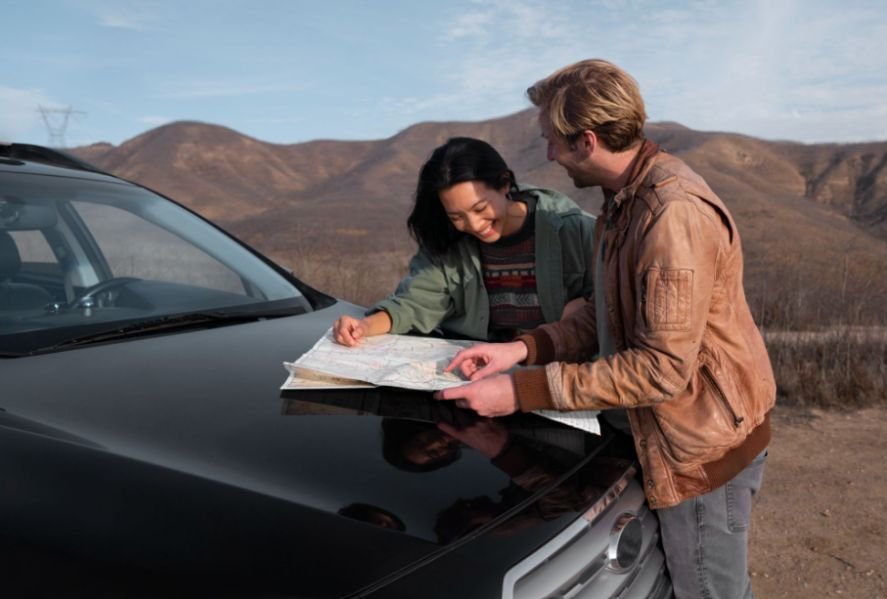
A cross-country road trip is not just a drive from one side of the map to the other. It is the kind of journey where the planning decides whether the trip feels exciting or exhausting. When I think about how to plan a cross country road trip, I focus first on the big three: time, money, and route.
Once those are clear, everything else becomes easier, from choosing national park stops to booking overnight stays and deciding how many hours to drive each day.
The United States gives travelers endless ways to build the journey. You can follow Route 66, chase mountain views on a northern route, explore southern music cities, or create a custom path around beaches, deserts, small towns, and iconic landmarks.
The goal is not to schedule every minute. The goal is to build a smart plan that keeps you safe, protects your budget, and leaves enough space for the unexpected moments that make the open road unforgettable.
What Is the First Step in Planning a Cross-Country Road Trip?
The first step is deciding how much time and money you can realistically spend. Your total travel window affects every other choice, including your route, daily mileage, hotel bookings, food budget, sightseeing stops, and travelling with babies if your family trip includes infants or toddlers.
A rushed seven-day drive across the country will feel very different from a three-week scenic route through national parks, small towns, and major cities.
When I plan a long drive, I start by choosing the kind of experience I want. Some travelers want famous highways and roadside attractions. Others want mountain views, beaches, music cities, desert landscapes, or national parks. Once that decision is clear, the rest of the trip becomes easier to shape.
How Do You Choose the Best Cross-Country Road Trip Route?

The best route depends on your season, starting point, destination, and travel style. Route 66 is ideal if you want classic Americana, retro motels, diners, and historic roadside stops. The Northern Tier works well for travelers who love mountains, lakes, forests, and summer scenery.
A southern route can be better in colder months and can include music-rich stops through places connected to blues, country, jazz, and rock history.
I always recommend mapping major anchor stops first. These may include national parks, major cities, family visits, scenic byways, or once-in-a-lifetime attractions. After that, build the driving path around those anchors instead of randomly adding stops along the way.
How Many Hours Should You Drive Each Day?
A common mistake is planning too many driving hours. On paper, eight or nine hours may look manageable, but real road trips include gas stops, meals, traffic, construction, weather, photos, and bathroom breaks. For a more enjoyable pace, I prefer capping driving at four to six hours per day when possible.
This gives you time to explore local stops instead of arriving tired every night. If you must cover more distance, plan a lighter day afterward. Long road trips feel much better when your schedule includes rest instead of constant recovery.
How Do You Build a Realistic Road Trip Budget?
A smart budget should include fuel, lodging, food, tolls, parking, attraction tickets, national park fees, roadside assistance, laundry, souvenirs, and emergency money. To estimate fuel expenses, calculate your total mileage, divide it by your vehicle’s average MPG, and multiply that number by current average gas prices along your route.
Lodging can become one of the biggest costs, so I like mixing hotels, affordable campsites, cabins, motels, and vacation rentals. This gives you comfort when you need it and savings when the route allows it. If you plan to visit three or more national parks, consider buying an America the Beautiful pass because it can be more cost-effective than paying separate entrance fees at each park.
When Should You Book Hotels and National Park Stays?
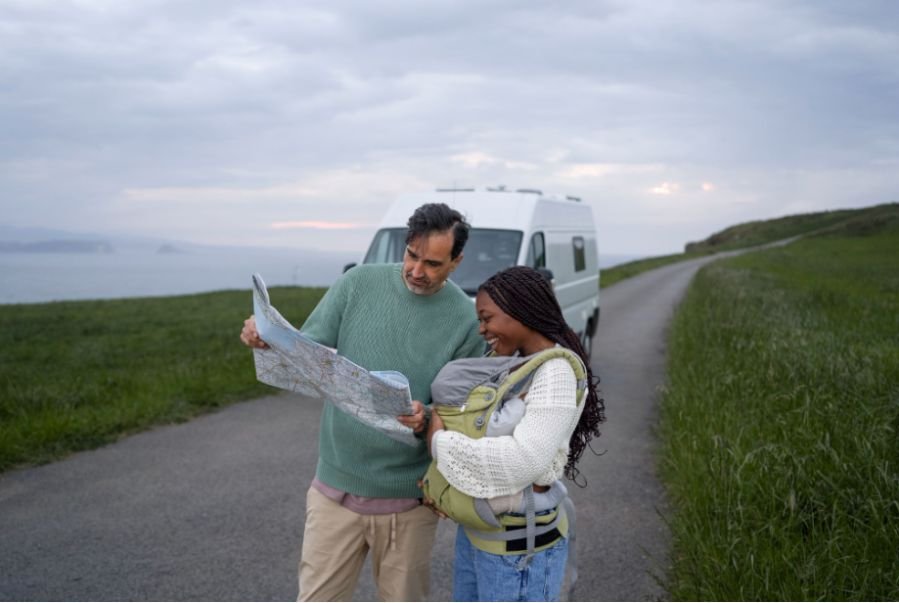
For ordinary overnight stops, you can keep some flexibility. For iconic places, book early. Popular destinations like Yosemite and Yellowstone can fill far in advance, especially during peak travel seasons. If your route includes famous national parks, major beach towns, or high-demand cities, reserve those stays first.
I also check cancellation policies before booking. Flexible reservations are valuable on a long road trip because weather, road closures, fatigue, or a spontaneous detour can change your timing.
What Tools Should You Use for Road Trip Navigation?
Digital maps are useful, but they should not be your only plan. Use Google Maps or a road trip planner to compare routes, estimate drive times, and save stops. Dedicated planning tools can also help you find scenic overlooks, gas stations, campgrounds, EV charging stations, restaurants, and attractions.
Still, I always download offline maps before leaving. If your road trip connects with a flight, these airport tips for first time travelers can help you stay organized with check-in, security, luggage, and airport timing before the driving part begins.
Cell service can drop in remote areas, especially in parts of the American Southwest, mountain regions, desert highways, and national park areas. A phone mount, car charger adapter, long charging cable, and portable power bank also make navigation safer and easier.
How Should You Prepare Your Car Before the Trip?
Vehicle preparation can make or break a long drive. Before leaving, get a full inspection from a mechanic. Ask them to check fluids, brakes, battery health, tire pressure, tire tread depth, lights, windshield wipers, coolant, and the spare tire.
Your emergency kit should include jumper cables, a flashlight, a first-aid kit, extra water, blankets, basic tools, a tire pressure gauge, and emergency contact details. I also recommend confirming that your AAA membership or manufacturer roadside assistance plan is active before you go. Save the number in your phone and keep a physical copy in the glove box.
What Should You Pack for Life on the Road?

Packing should focus on comfort, safety, and convenience. Keep your driver’s license, vehicle registration, physical insurance card, hotel confirmations, and national park pass easy to reach. For electronics, pack a phone mount, car charger, long cables, portable power bank, and any camera gear you plan to use.
If your trip includes a flight before or after the drive, reviewing TSA carry on rules for domestic flights can help you pack smarter and avoid airport security delays.
A physical cooler is one of the most useful road trip items. Stock it with ice, reusable water bottles, fruit, sandwiches, yogurt, and quick snacks to save money and avoid relying on fast food at every stop. For comfort, bring sunglasses, a travel pillow, slip-on shoes for driving, layered clothing, wet wipes, hand sanitizer, trash bags, and any medications you need.
I also download entertainment before leaving. Audiobooks, podcasts, and music playlists are lifesavers when service disappears or radio options are limited.
How Do You Keep the Trip Flexible Without Losing Control?
The secret is to plan the non-negotiables and leave space around them. Book popular parks and key overnight stays early, but do not fill every hour. Some of the best road trip memories come from spontaneous roadside attractions, small-town cafés, scenic overlooks, and local conversations.
When people ask me how to plan a cross country road trip, I always say the goal is not to control every mile. The goal is to create a safe, affordable, and realistic structure that still lets the open road feel exciting.
Frequently Asked Questions (FAQs)
1. What is the best month for a cross-country road trip?
Spring and fall are often the best because the weather is milder, crowds can be smaller, and many scenic routes remain comfortable to drive.
2. How much money should I save for a coast-to-coast road trip?
Your cost depends on route, lodging, fuel, food, and trip length, but you should budget for daily expenses plus an emergency fund.
3. Is Route 66 good for a first cross-country road trip?
Yes, Route 66 is a strong choice for first-timers because it offers historic stops, classic roadside culture, and a clear travel theme.
4. Should I book every hotel before leaving?
Book high-demand destinations early, but keep some flexible nights open so you can adjust your route if plans change.
Final Thoughts
Once you understand how to plan a cross country road trip, the process feels exciting instead of overwhelming. I always start with the budget, time frame, route theme, and anchor stops before moving into lodging, packing, navigation, car preparation, and winter weather driving if the route includes cold-season conditions.
A successful cross-country drive should feel safe, organized, and memorable. Plan your major details, protect your budget, prepare your car, and leave enough room for the unexpected moments that make the journey worth taking.