If your free time feels awkward the second no one else is around, you are not broken. You probably just never learned how to enjoy alone time without treating it like rejection, boredom, or proof that everyone else has better plans.
I used to fill every quiet gap with texts, scrolling, errands, or background noise. Then I realized my alone time felt uncomfortable because I kept using it as a waiting room. I was waiting for a message, a plan, or someone else to make the day feel valid. Once I started treating solitude as chosen time, it changed everything.
Why Alone Time Feels Hard at First
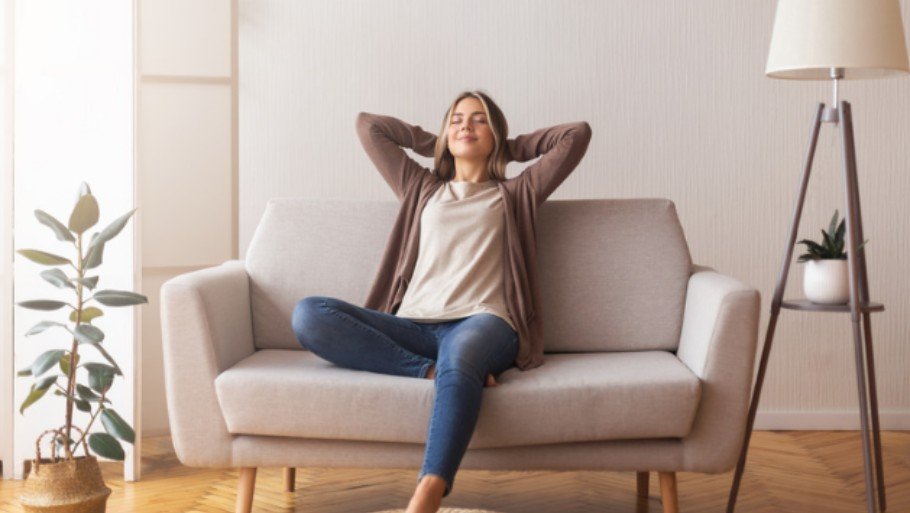
Alone time can feel strange because most people connect activity with company. Dinner means meeting someone. A movie means inviting someone. A walk means catching up with a friend. So when those same activities happen solo, your brain may label them as “less than.”
That label is the problem. Learning how to enjoy alone time starts with separating solitude from loneliness.
Solitude Is Not the Same as Loneliness
Solitude is time you choose for yourself. Loneliness is the painful feeling that your social needs are not being met. They can overlap, but they are not the same thing.
This matters because alone time can feel peaceful when it gives you autonomy. It can feel heavy when it feels unwanted. I try to ask myself one simple question: “Am I alone because I need space, or because I need connection?” That answer tells me what to do next.
If I need space, I protect the quiet. If I need connection, I text someone with intention instead of doom-scrolling and pretending that counts.
The 15-Minute Solitude Container
My best trick is the 15-minute solitude container. I choose one small solo activity, set a clear start and end time, and remove the pressure to make it meaningful.
For example, I make tea, put my phone across the room, and read ten pages. Or I sit outside and watch the street for 15 minutes. The goal is not productivity. The goal is proving that being with myself is safe, calm, and manageable.
This small practice also works well with daily habits to improve life with simple routines, because enjoying alone time becomes easier when it is built into your day through calm, repeatable actions instead of forced emotional pressure.
This works especially well if alone time makes you anxious. You do not need to plan an entire solo Saturday. Start small, finish before you feel trapped, and build from there.
How to Enjoy Alone Time by Changing the Story
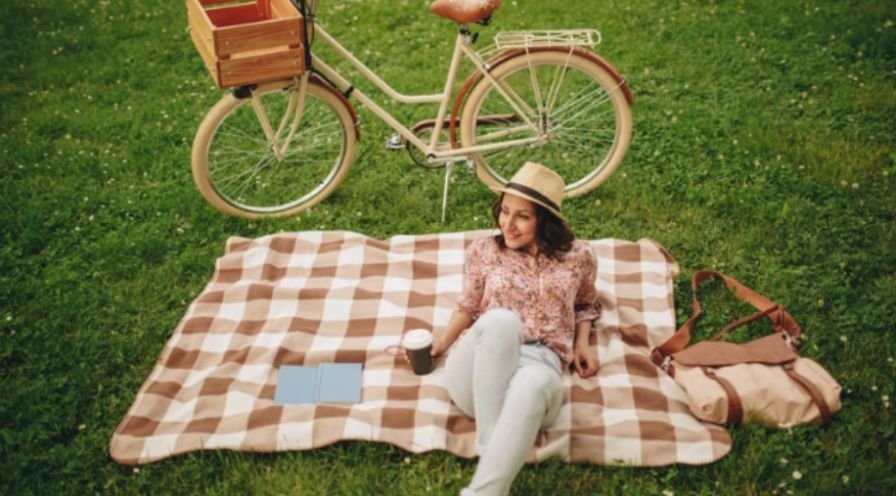
The fastest way to ruin solitude is to treat it like a punishment. The fastest way to enjoy it is to treat it like a private appointment with your own life.
Make It a Choice, Not a Punishment
When I catch myself thinking, “I have nothing to do,” I change the sentence to, “I get to choose what I do next.” That small shift matters.
You can cook what you want, play the music you like, move at your own pace, leave early, stay longer, or change your mind without negotiating. That is not sad. That is freedom with snacks.
This is the heart of how to enjoy alone time: stop waiting for permission to enjoy your own company.
Stop Turning Quiet Time Into a Performance
Alone time does not need to become a perfect morning routine, a personal growth project, or a social media photo dump. You do not need candles, matching loungewear, or a dramatic journal entry.
Some of my best solo time looks boring from the outside. I fold laundry while listening to a podcast. I walk without tracking steps. I eat lunch without checking emails. The value comes from being present, not from making the moment impressive.
Solo Dates That Make Your Own Company Feel Fun

Solo dates are a gentle way to learn how to enjoy alone time because they give your day structure. You are not sitting around wondering what to do. You are taking yourself somewhere on purpose.
Start With Low-Pressure Public Places
Public places make solo time easier because you can feel connected to the world without having to perform socially. A bookstore, museum, farmers market, library, coffee shop, or matinee movie works well.
I like places where no one cares that I arrived alone. Bookstores are perfect because browsing is naturally independent. Movie theaters are even easier because everyone sits quietly anyway. Cafés are great when I want background energy without small talk.
This is also where the internal skill of social ease helps. If you want to feel more relaxed around people after your solo time, read my guide on how to make small talk.
Try the Book, Café, and Movie Method
When I want a full solo afternoon, I use a simple three-part plan. First, I browse a bookstore or library. Then I take one book or notebook to a café. After that, I watch a movie or take a long walk.
This method works because each step has a built-in purpose. You do not stand around feeling exposed. You move through the day with a quiet plan.
Hobbies That Make Alone Time Feel Natural
The best solo hobbies do not demand perfection. They keep your hands busy and your mind engaged without turning your free time into another test.
Choose Process Over Perfection
Try cooking a new recipe, sketching badly on purpose, doing a puzzle, organizing one drawer, learning basic photography, journaling, or singing karaoke at home. The point is not to become impressive. The point is to enjoy a process without an audience.
I avoid hobbies that frustrate me too quickly when I am already tired. Alone time should not feel like homework with better lighting.
Use Nature to Reset Your Mood
Nature makes solitude feel softer. A walk through a local park, time near a lake, or even sitting under a tree can break the loop of overthinking.
When I feel restless, I take a “no-content walk.” No podcast. No calls. No music. Just walking, looking, and letting my brain settle. It feels weird for the first few minutes. Then it starts to feel like mental breathing room.
How to Plan Outdoor Solo Adventures Safely
Outdoor solo adventures can make alone time feel powerful, but safety comes first. Do not jump from couch solitude to remote wilderness. Build confidence in levels.
Build Confidence in Three Levels
Start with local scouting. Spend one hour in a familiar city park, botanical garden, beach path, or nature reserve. You are learning how your body and mind respond to being outside alone.
Next, try monitored day adventures. Choose well-marked trails in a state park or national park. Pick popular routes where other hikers, staff, or rangers may be nearby.
Only after that should you consider true backcountry solitude, such as solo camping or remote hikes. By then, you should know your pace, gear, comfort level, and navigation limits.
Share Your Route and Pack Smart
Before any solo outdoor trip, I send someone my route, parking location, start time, expected return time, and a hard check-in deadline. I also carry essentials like water, snacks, a first-aid kit, a headlamp, offline maps, a paper map, a compass, an extra layer, and a portable charger.
If cell service may be weak, I do not pretend my phone is a safety plan. For remote routes, a satellite communicator or personal locator beacon is smarter.
Outdoor solitude feels better when your safety plan is boring, clear, and already handled.
When Alone Time Feels Lonely
Learning how to enjoy alone time does not mean forcing yourself to be alone all the time. Healthy solitude and healthy connection belong together.
Understanding the difference between peaceful solitude and painful loneliness becomes easier when you learn to improve emotional intelligence for personal growth, because emotional awareness helps you notice whether you need quiet time, connection, or deeper support.
Know When to Reach Out
If alone time keeps making you feel unwanted, hopeless, or disconnected, reach out to someone. Call a friend, join a class, volunteer, go to a community event, or talk to a mental health professional.
Solitude should help you feel restored. It should not become a place where you disappear.
Practice Both Solitude and Connection
I enjoy my alone time more when I know connection is available too. That balance removes pressure. I can spend Saturday morning alone because I have dinner with a friend later. I can take a solo walk because I know I am not avoiding people out of fear.
The goal is not to become someone who never needs others. The goal is to become someone who can enjoy their own company without panic.
Your Solo Era Starts With One Quiet Hour
The secret to how to enjoy alone time is not becoming mysterious, ultra-independent, or emotionally bulletproof. It is much simpler. Give your quiet hours a purpose, lower the pressure, and stop acting like fun only counts when someone else witnesses it.
Start with 15 minutes. Make tea, take a walk, browse a bookstore, sit in a café, cook something simple, or watch a movie alone. Do it without turning it into content. Do it without apologizing.
Your own company is not a backup plan. It is a relationship worth improving.
FAQs
1. How do I enjoy alone time without feeling lonely?
Choose a short activity with a clear end time, such as reading for 15 minutes, walking, cooking, or visiting a café.
2. What are fun things to do alone at home?
Try journaling, puzzles, solo karaoke, cooking, organizing one small space, reading, stretching, or watching a comfort movie.
3. Is spending time alone good for mental health?
Chosen solitude can feel calming and restorative, but ongoing loneliness needs connection, support, and healthy social contact.
4. How to enjoy alone time when everyone else is busy?
Treat the time as a solo date, make one simple plan, and do something you would still enjoy without company.