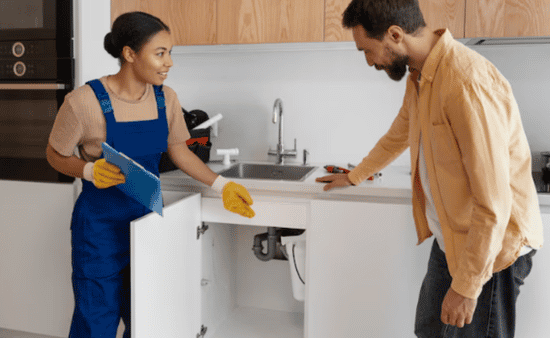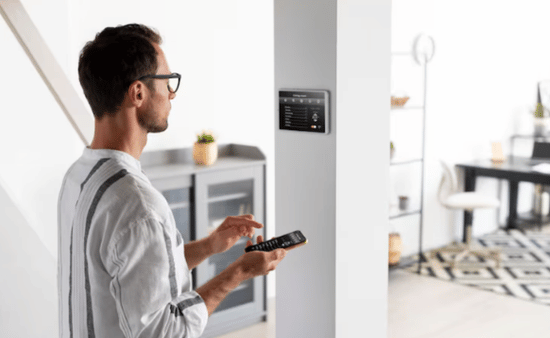
Home safety meant locking the door at night and keeping a smoke alarm on the ceiling. But everyday risks often come from small things: a loose rug, an unlocked cabinet, a hot pan handle, an overloaded outlet, or medicine left on the counter. Home Safety Tips Every Family Should Follow are not about living in fear. They are about building simple habits that protect the people you love while keeping your home comfortable.
A safer home works best when every family member understands the basics. Children need clear rules, adults need repeatable routines, and older family members need spaces that reduce slips, falls, and confusion. The goal is to lower risk before small problems turn into emergencies.
Why Family Home Safety Starts With Awareness
Most home accidents happen during normal routines. Walk through your home as if you are seeing it for the first time. Look for clutter on stairs, cleaning products under sinks, overloaded outlets, sharp tools in drawers, loose cords, poor lighting, and furniture that could tip if pulled. Maintaining good Home Cleaning Habits can help reduce many of these risks by keeping spaces organized, hazards visible, and frequently used areas safer for everyone in the household
Start With Fire and Carbon Monoxide Protection
Fire safety should be one of the first priorities in every home. Install smoke alarms on each level, near sleeping areas, and inside bedrooms when possible. Test them monthly, replace weak batteries quickly, and never ignore chirping alarms.
Carbon monoxide is dangerous because you cannot see or smell it. Place carbon monoxide alarms near sleeping areas and close to rooms with combustion products. If an alarm sounds, leave the house immediately and call emergency services from outside.
Every family should also have a fire escape plan. Choose two ways out of each room, decide on an outdoor meeting place, and practice the plan with children.
Make the Kitchen Safer Every Day

The kitchen is one of the busiest rooms in the home, so small habits matter. Turn pot handles inward, keep knives away from counter edges, and store matches, lighters, and cleaning products in locked or high cabinets. Never leave cooking unattended, especially when frying or using high heat.
Unplug small appliances when they are not in use, keep cords away from water, and avoid crowding outlets. A clean stove area also lowers fire risk because grease and food buildup can catch quickly. If children help in the kitchen, teach them where to stand and what not to touch.
Prevent Falls in Every Room
Falls can affect toddlers, adults, and seniors, so fall prevention belongs in every home safety checklist. Keep walkways clear, secure loose rugs, clean spills right away, and add night lights in hallways, bathrooms, and bedrooms. Stairs should have sturdy handrails and bright lighting.
Bathrooms need extra attention because water makes floors slippery. Use non-slip mats, keep towels within easy reach, and consider grab bars near showers or tubs if older adults live in the home.
Store Medicines, Cleaners, and Small Objects Safely
Poison prevention is essential for families with children or pets. Medicines, vitamins, laundry pods, cleaning sprays, substances like pesticides, and personal care products should be stored in locked cabinets or placed high out of reach. Child-resistant caps help, but they are not fully childproof.
Keep products in their original containers so labels stay clear. Never mix household cleaners, and ventilate the room when using strong products. Save the Poison Help number, 1-800-222-1222, in your phone and place it somewhere visible.
Choking hazards also deserve attention. Coins, batteries, magnets, pen caps, small toys, and loose buttons should stay away from babies and young children. Check floors and couch cushions often, especially after guests visit.
Secure Doors, Windows, and Digital Entry Points
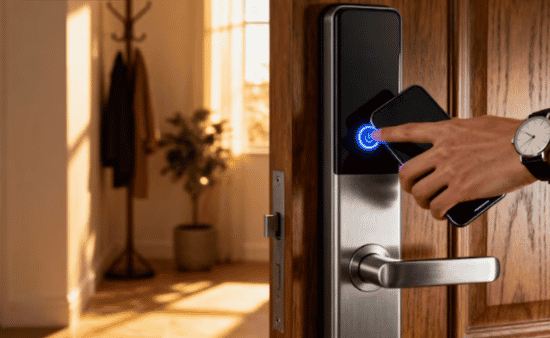
Home security is part of home safety. Use strong locks on exterior doors, keep windows secured, and make sure sliding doors have extra protection. Outdoor lighting can reduce dark hiding spots near doors, garages, and walkways. Today, technology makes homes smarter while saving time and energy, with features such as smart locks, motion-sensor lighting, and security systems that help homeowners monitor and protect their property more efficiently.
Avoid hiding spare keys under doormats or flowerpots. Use a trusted neighbor, a secure lockbox, or a smart lock with careful access control. If you use cameras, smart doorbells, or connected locks, protect them with strong passwords and two-factor authentication.
Teach Simple Safety Rules to Children
Children learn safety best through short, repeated lessons. Teach them not to open the door for strangers, not to touch medicines, not to play with outlets, and not to climb furniture. They should also know their full name, address, and how to call emergency services when they are old enough.
Create a Monthly Safety Check
A monthly safety check keeps your home from slowly becoming risky again. Test alarms, check locks, review emergency contacts, inspect cords, clear stairways, restock first aid kits, and look for new hazards as your family changes.
Frequently Asked Questions
1. What are Home Safety Tips Every Family Should Follow?
They are practical steps such as testing alarms, locking hazards away, preventing falls, securing doors, and teaching children basic emergency rules.
2. How often should I check my home for safety risks?
A monthly check works well, but kitchens, bathrooms, stairs, and child areas should be checked more often.
3. What is the most important home safety device?
Smoke alarms and carbon monoxide alarms are essential because they give families early warning during life-threatening emergencies.
4. How can I make my home safer for children?
Lock away medicines and cleaners, anchor furniture, cover outlets, remove choking hazards, and teach simple rules regularly.
Final Thoughts
I believe a safe home is built through small choices that become normal: testing alarms, clearing walkways, locking cabinets, checking doors, and teaching children what to do. Home Safety Tips Every Family Should Follow can make daily life feel calmer because you know the basics are covered.
A family home should feel comfortable, warm, and lived in, but it should also be prepared. Start with one room today, fix the most obvious risks, and build from there. Over time, those small changes can protect your family in ways you may never fully see.