Technology achieves its ultimate success when it stops demanding attention. Think about electricity for a moment. When it first appeared, people gathered to watch demonstrations of electric lights. Today, nobody walks into a room and marvels at the wiring hidden behind the walls. It simply works. Modern technology is following a remarkably similar path.
The devices, apps, and systems that once felt revolutionary are increasingly blending into the background of everyday life. Instead of forcing people to learn complicated interfaces or constantly manage settings, technology is quietly adapting to human behavior. The result is a world where digital experiences feel more natural, more seamless, and often less noticeable than ever before.
What Does Invisible Technology Actually Mean?
When discussing how technology is becoming more invisible, the concept goes beyond smaller gadgets or cleaner designs. Invisible technology refers to systems that operate quietly in the background while delivering value without requiring constant interaction.
Rather than sitting at the center of attention, technology becomes part of the environment itself. Smart sensors adjust room temperatures automatically. Streaming platforms recommend content based on viewing habits. Navigation apps reroute drivers around traffic before they even realize there’s a delay ahead.
The goal is no longer to showcase technology. The goal is to remove friction from everyday life.
Why Technology Is Moving Into the Background
Several technological shifts are driving this transformation.
Ambient Computing Is Changing the Experience
For years, technology existed inside distinct devices. You sat down at a computer, opened an application, and completed a task.
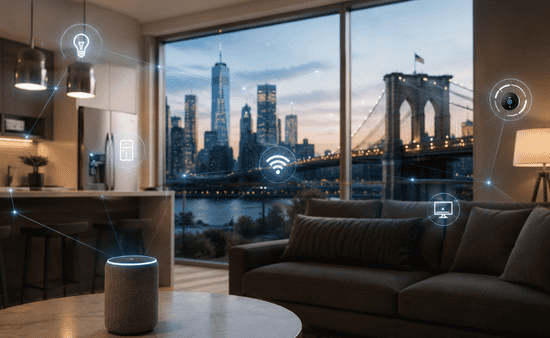
Ambient computing changes that model entirely. Technology now exists across connected environments rather than isolated machines. Sensors, cloud connectivity, wearable devices, and smart technology work together to create experiences that feel almost invisible.
Instead of interacting with a single device, people interact with an ecosystem that responds naturally to their needs.
Better User Experience Matters More Than Features
Consumers rarely care about how complex a technology system is. They care about whether it makes life easier.
As a result, companies are investing heavily in user experience, machine learning, and predictive technology. The most successful products today often require fewer clicks, fewer decisions, and less effort from users.
Technology is gradually disappearing because convenience has become the primary design goal.
The Three Forces Behind Invisible Technology

Three major developments are accelerating the move toward seamless technology.
Agentic AI
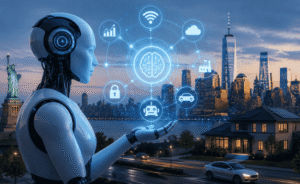
Artificial intelligence is becoming less visible while becoming more influential.
Instead of waiting for instructions, modern AI systems can perform background automation tasks autonomously. They optimize battery performance, manage network resources, improve cybersecurity defenses, and personalize digital experiences without users actively engaging with them.
Many people interact with AI every day without realizing it.
Pervasive Digital Infrastructure
Much of today’s innovation happens behind the scenes.
Cloud networks, data centers, connected ecosystems, and distributed computing systems power countless services that people depend on daily. Unlike consumer gadgets, this infrastructure remains largely invisible while supporting everything from online shopping to remote work.
The technology may be hidden, but its impact is everywhere.
Zero-Friction Interfaces
The future of human-computer interaction involves fewer traditional interfaces.
Voice assistants, gesture controls, facial recognition, gaze tracking, and predictive systems are reducing the need for screens, keyboards, and complex menus. Technology increasingly understands context, allowing interactions to feel more natural and conversational.
The less users need to think about technology, the more successful it becomes.
Everyday Examples of Invisible Technology
Many examples of invisible technology already exist in daily life.
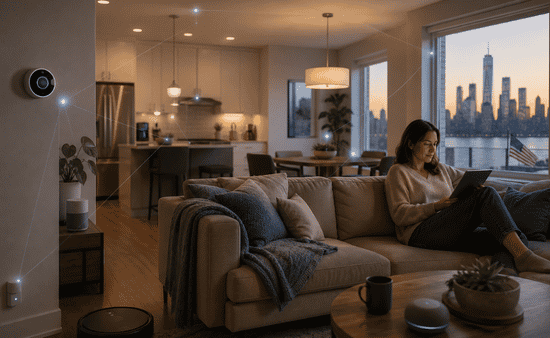
Smart homes automatically adjust lighting and temperature based on occupancy patterns. Contactless payments process transactions within seconds without requiring physical cash or cards. Streaming services curate personalized recommendations using sophisticated algorithms.
Even modern vehicles demonstrate this shift. Advanced driver assistance systems monitor surroundings, provide safety alerts, and optimize driving conditions without demanding constant attention from drivers.
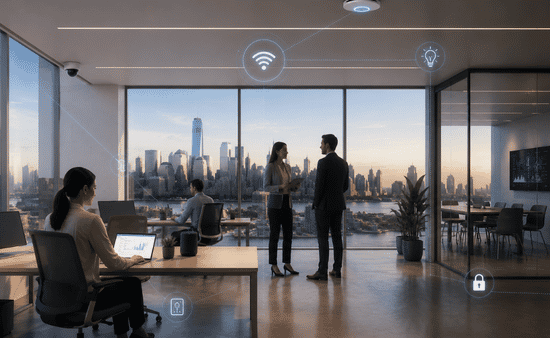
The same pattern appears in workplaces. Automated scheduling, intelligent collaboration tools, and predictive analytics help organizations operate more efficiently while remaining largely unnoticed by employees.
These developments closely mirror the evolution of digital lifestyle, where technology is becoming less about devices and more about creating experiences that feel effortless.
How Businesses Are Benefiting from Invisible Technology
The business world has embraced invisible technology at an extraordinary pace.
A decade ago, digital transformation often involved highly visible software rollouts and major operational changes. Today, many improvements occur behind the scenes.
Supply chain management systems automatically track inventory movement. Cloud platforms distribute computing resources dynamically. Cybersecurity tools monitor threats continuously without interrupting workflows.
This shift allows organizations to focus less on managing technology and more on achieving business objectives.
In many industries, the most valuable technology is the technology employees barely notice.
The Benefits of Technology That Stays Out of the Way
When technology fades into the background, several advantages emerge.
- Faster and more efficient daily routines
- Reduced cognitive load from repetitive decisions
- Improved accessibility for people with different abilities
- More personalized digital communication experiences
- Better audience engagement across digital platforms
Invisible technology allows people to focus on goals rather than tools. Instead of learning how software works, users simply achieve what they need to accomplish.
That shift represents one of the most significant changes in modern technology adoption.
Frequently Asked Questions: How Technology Is Becoming More Invisible Than Ever Before
What is invisible technology?
Invisible technology refers to digital systems and tools that operate in the background with minimal user interaction while still delivering useful services and experiences.
How does AI contribute to invisible technology?
AI helps automate decisions, personalize experiences, optimize systems, and perform tasks behind the scenes, reducing the need for manual user input.
What is ambient computing?
Ambient computing is a technology approach where connected devices, sensors, and intelligent systems work together within an environment to provide seamless and context-aware experiences.
Are there risks associated with invisible technology?
Yes. Common concerns include privacy issues, reduced transparency, algorithmic decision-making, and growing dependence on automated systems.
Why the Best Technology Often Goes Unnoticed
The most successful technologies rarely stay in the spotlight for long. Once they become reliable, useful, and deeply integrated into daily routines, they fade into the background. People stop thinking about the technology itself and start focusing on what it enables.
That’s why smart systems, artificial intelligence, automation, and connected devices are increasingly becoming part of the environment rather than standalone tools. The future isn’t necessarily about more screens or more gadgets. It’s about technology becoming so intuitive that it feels almost invisible.
When technology disappears into everyday life, that’s often a sign that it’s working exactly as intended.