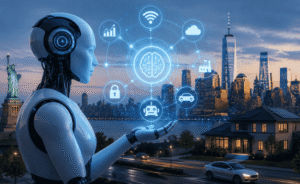
Most people don’t think much about how technology shapes their day until something stops working. A phone battery dies, the internet goes down, or a navigation app freezes, and suddenly, everyday tasks feel harder than they should. What used to require planning, memory, and effort now happens almost automatically.
That shift didn’t happen overnight. Technology gradually moved from being something we used occasionally to something that quietly supports nearly every part of daily life. From smart alarms and wearable technology to AI assistants and connected devices, tech-powered daily routines have become the norm for millions of people. The convenience is undeniable, but the effects run deeper than simply saving time.
How Technology Became Part of Everyday Habits

Not long ago, most digital tools served a single purpose. A GPS helped with directions. A calendar stored appointments. A fitness tracker counted steps. Today, those functions work together inside a connected ecosystem that follows people throughout the day.
This evolution changed more than technology itself. It changed expectations. People now expect instant access to information, seamless digital communication, and personalized experiences wherever they go. Waiting feels longer. Manual processes feel inefficient. Convenience has become a standard rather than a bonus.
The result is a digital lifestyle where technology often operates in the background, quietly influencing decisions and behaviors without demanding much attention.
The Shift From Occasional Use to Constant Presence
Technology is no longer something people actively log into. It’s always there.
Smartphones sit within arm’s reach from morning until night. Smart speakers respond to voice commands from across the room. Wearable technology collects health data around the clock. Connected devices exchange information automatically to improve the user experience.
Because these tools are always available, they naturally become part of daily habits. Checking the weather before getting dressed, reviewing notifications while drinking coffee, or asking a voice assistant for reminders now feels routine rather than remarkable.
Why Convenience Changed Expectations
The biggest reason tech-powered daily routines continue to grow is simple: they remove friction.
When navigation apps provide faster routes, people stop memorizing directions. When streaming services offer personalized recommendations, people spend less time searching for entertainment. When automated scheduling tools manage appointments, fewer details need to be remembered.
Each small convenience reduces effort. Over time, those improvements reshape expectations for how everyday tasks should work.
The Benefits People Notice Most
People continue adopting everyday technology because the advantages are practical and immediate.
Some of the most noticeable benefits include:
- Reduced decision fatigue through automation and personalized recommendations
- Better organization through scheduling and productivity tools
- Improved health awareness through fitness tracking and biometric monitoring
- Faster access to services, information, and communication
- More efficient household management through smart home technology
These benefits explain why connected devices continue expanding into more areas of daily life.
The Biggest Areas Where Tech-Powered Daily Routines Show Up
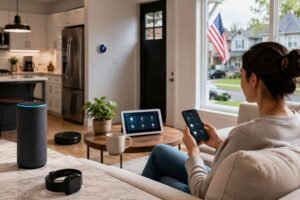
Technology influences nearly every part of modern life, but some areas have experienced more dramatic changes than others.
Morning Routines Are Becoming Automated
The first hours of the day often begin with automation.
Smart alarms now analyze sleep tracking data and wake users during lighter sleep stages. Connected lighting systems gradually brighten rooms before sunrise. Virtual assistants provide weather forecasts, calendar updates, and news briefings within seconds of waking up.
Some households even automate coffee preparation, thermostat adjustments, and music playlists. Instead of manually managing multiple tasks, people start the day with systems that coordinate activities for them.
These changes may seem small individually, but together they create a noticeably different morning experience.
Work and Productivity Depend More on Digital Tools
Technology has become an essential productivity partner.
Calendars organize schedules automatically. Project management platforms track deadlines. Collaboration software keeps teams connected regardless of location. AI assistants increasingly handle repetitive administrative tasks that once consumed valuable time.
Perhaps the most significant change is cognitive offloading. Technology acts as an external memory system, reducing the mental effort required for planning and organization.
Navigation provides a clear example. Rather than studying routes beforehand, people rely on real-time GPS updates to guide them through changing traffic conditions. The technology handles the decision-making, allowing users to focus elsewhere.
Health Management Is More Personalized Than Ever
Wearable technology has transformed health monitoring from an occasional activity into a continuous process.
Smartwatches, fitness bands, and smart rings now track heart rate, sleep quality, activity levels, blood oxygen measurements, and other biometric indicators throughout the day. Instead of waiting for annual checkups, users receive regular insights into their health habits.
Behavioral nudges have become increasingly common. Devices remind users to stand after long periods of sitting, encourage hydration, and suggest movement goals based on activity patterns.
This shift moves health management from reactive care toward proactive awareness.
Home Life Runs on Connected Systems
Smart home technology has quietly changed household management.
Connected thermostats learn temperature preferences. Security systems provide real-time monitoring. Smart appliances communicate with mobile applications to simplify everyday tasks.
Many homeowners appreciate these systems because they reduce the number of small decisions required throughout the day. Home automation doesn’t necessarily eliminate responsibilities, but it often makes them easier to manage.
The Frictionless Trap: When Convenience Creates Dependence
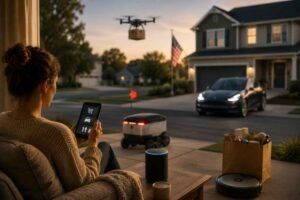
The same technologies that simplify life can also create new challenges.
One concern is digital dependency. As automation handles more responsibilities, people may become less comfortable performing tasks without technological assistance. Navigation skills, memory recall, and even basic planning can gradually weaken when digital systems handle those functions consistently.
Another issue is constant connectivity. Productivity tools and communication platforms make it easier to stay connected, but they can also blur the boundaries between work and personal life. Notifications don’t always respect downtime.
Physical well-being presents another trade-off. While wearable technology provides valuable health insights, excessive screen exposure can contribute to eyestrain, poor posture, and sedentary behavior. The tools designed to improve life can sometimes create new problems when used without balance.
Social interaction has changed as well. Digital communication enables instant connection across long distances, yet many people report experiencing screen fatigue and fewer meaningful in-person conversations.
Why Invisible Technology Is Becoming More Important
Interestingly, the next phase of innovation may involve technology becoming less visible.
Rather than adding more screens and apps, companies are increasingly focusing on ambient computing and predictive systems that work quietly in the background. These technologies anticipate needs, automate responses, and reduce the number of active interactions required throughout the day.
This shift aligns closely with the future of screenless technology, where voice interfaces, wearable devices, sensors, and artificial intelligence create experiences that feel more natural and less disruptive.
Instead of constantly looking at screens, users may interact with technology through voice, gestures, contextual awareness, and intelligent automation. The goal is not simply more technology. It’s technology that feels almost invisible.
Frequently Asked Questions: The Real Impact of Tech-Powered Daily Routines on Everyday Life
1. What are tech-powered daily routines?
Tech-powered daily routines are everyday activities supported by digital tools, automation systems, smart devices, and artificial intelligence that help simplify tasks and improve efficiency.
2. How do smart devices improve daily life?
Smart devices automate repetitive tasks, provide personalized recommendations, improve organization, and offer real-time information that helps people make decisions more efficiently.
3. Can technology reduce decision fatigue?
Yes. Automation tools, AI assistants, and recommendation systems help reduce the number of small daily decisions people need to make, conserving mental energy for more important tasks.
4. What are the biggest drawbacks of technology-driven routines?
Common concerns include digital dependency, screen fatigue, privacy issues, information overload, and difficulty maintaining healthy boundaries between work and personal life.
Why Convenience Keeps Redefining Everyday Life
The most influential technologies are rarely the flashiest ones. Instead, they’re the tools that quietly become part of everyday behavior. Smart alarms, automated reminders, wearable health trackers, and personalized recommendations may seem minor on their own, but together they reshape how people move through the world. Over time, these systems change expectations around speed, convenience, and accessibility, making previously manual processes feel outdated.
Technology’s greatest impact isn’t that it changes what people do. It’s that it changes how effortlessly they expect life to work.