The first time I planned a flight with an infant, I realized the hard part was the booking, packing, TSA line, stroller, car seat, feeding schedule, and possible diaper blowout before we even reached the gate.
That is why learning how to travel with a baby on a plane is really about preparation, timing, and the right gear. When you plan each stage, flying with a baby feels less like a gamble and more like a manageable family trip.
Is It Safe to Fly With a Baby?
For most healthy, full-term babies, flying is usually safe after the first few weeks. Still, I would check with a pediatrician if the baby was born premature, has heart or lung concerns, has breathing symptoms, or recently had an illness. Many pediatric resources suggest waiting until around 2 to 3 months when possible.
How Should I Book a Flight With an Infant?
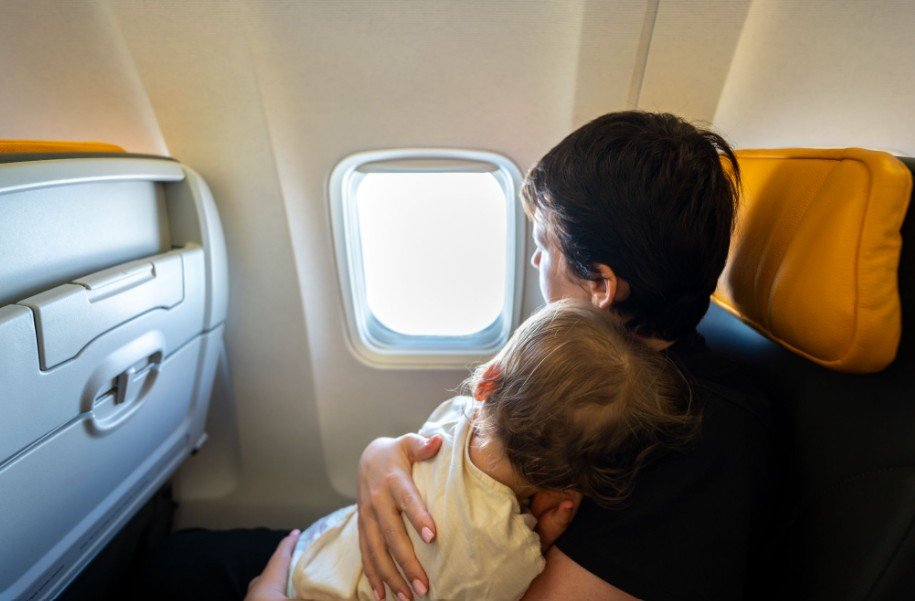
Booking choices can make or break the trip. Many US airlines allow children under 2 to travel as lap infants on domestic flights, but a lap seat is not the safest option during turbulence. The safer choice is to buy a separate ticket and use an FAA-approved child restraint system or car seat.
If you use a car seat, choose a window seat. It keeps the seat away from service carts, aisle traffic, and passengers moving past your row. Before travel day, check that your car seat is FAA-approved and practice installing it quickly.
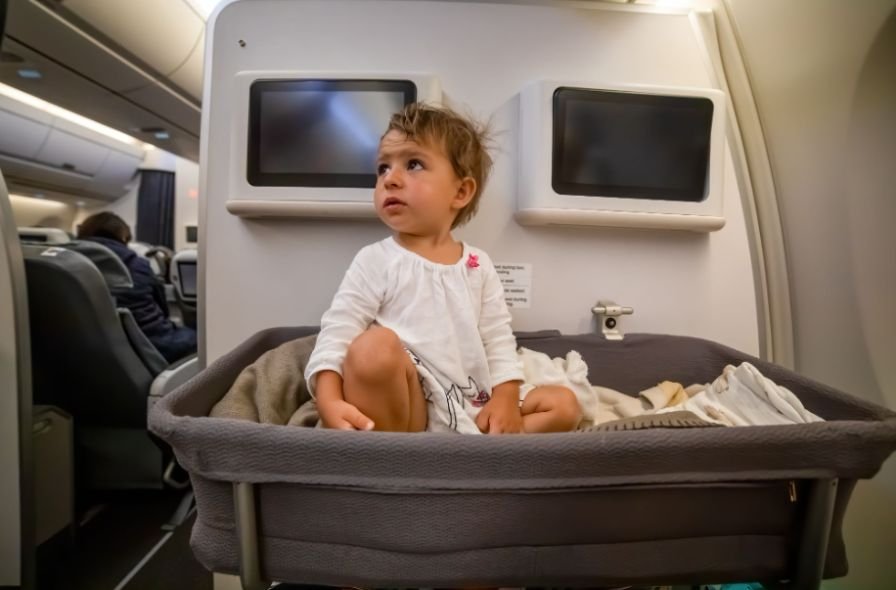
For long-haul international flights, ask the airline about a bulkhead bassinet immediately after booking. Bassinets are limited, aircraft-specific, and often first-come, first-served. Also choose a flight that matches your baby’s nap or bedtime routine. A direct flight is ideal, but a longer layover helps with feeding and diaper changes.
What Should I Pack in a Baby Carry-On Bag?
A smart diaper bag should cover the flight, airport time, and delays. I pack twice as many diapers and wipes as I think I will need, two baby outfit changes, and at least one clean shirt for myself. Blowouts, spit-up, and spilled milk are common.
Keep formula, breast milk, baby food, pacifiers, bottles, burp cloths, diaper cream, a changing pad, plastic bags, a blanket, and comfort items within reach under the seat. Do not put your most important baby supplies in the overhead bin. If your baby depends on a specific pacifier, bottle nipple, teether, or sleep item, bring extras.
What Are TSA Rules for Formula and Breast Milk?
TSA allows formula, breast milk, toddler drinks, and baby food in quantities over the regular 3.4-ounce liquid limit. These items do not need to fit inside a quart-size liquids bag. I keep them easy to remove and tell the TSA officer before screening begins. Cooling accessories such as ice packs or freezer packs are also useful when carrying milk or baby food.
How Do I Get Through the Airport With a Baby?
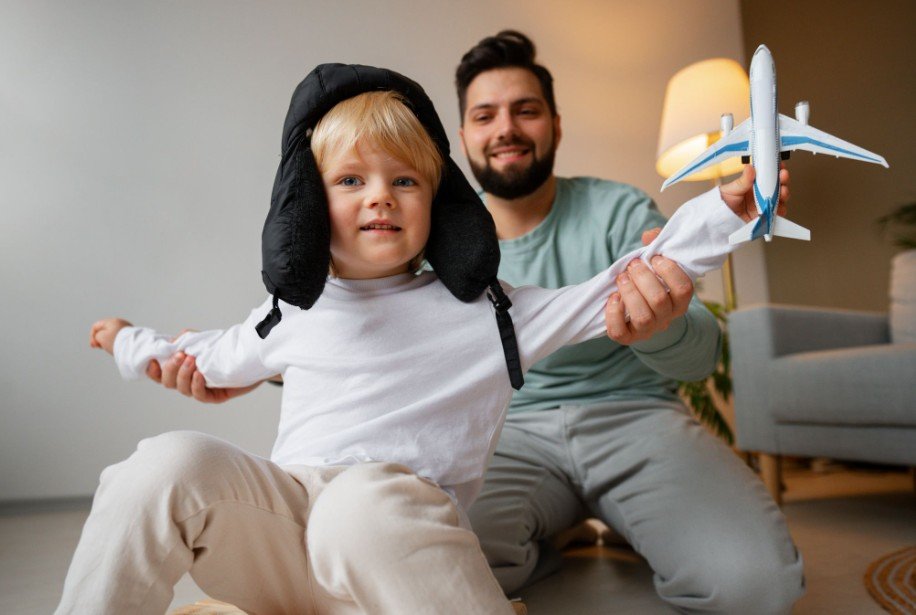
The airport is where preparation pays off. Practice folding your stroller, attaching the car seat, and using your baby carrier before the trip. A carrier keeps your hands free while checking bags, walking through the terminal, or waiting in line.
Most airlines allow families to gate-check a stroller and car seat, but policies vary, so confirm with your airline. If your baby crawls or likes to move, let them spend safe floor time near the gate before boarding.
Use family pre-boarding if you need time to install a car seat or organize bags. If your baby is a lap infant and gets restless easily, one adult can board early with gear while the other waits near the gate with the baby until closer to departure.
How Can I Keep a Baby Comfortable During Takeoff and Landing?
Changing air pressure can bother babies because they cannot pop their ears on command. Nursing, bottle-feeding, a pacifier, or an age-appropriate drink can help because swallowing equalizes ear pressure. I wait until the plane is rolling down the runway or beginning descent so the baby does not finish too early.
You can use a baby carrier while walking around during cruising altitude if the crew allows it, but your baby must usually be removed from the carrier and held securely during takeoff, landing, and any time the seatbelt sign is on.
What Helps a Baby Stay Calm During the Flight?
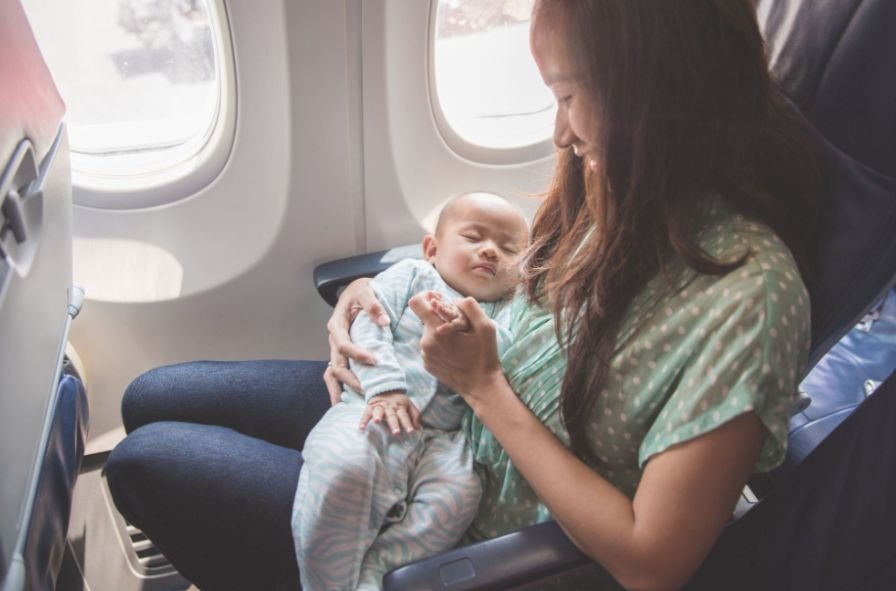
Low-stimulation entertainment works best. Soft crinkle books, teething toys, suction toys for the window, painter’s tape, quiet board books, and familiar comfort items can keep older babies busy without disturbing nearby passengers. For younger infants, feeding, rocking, contact naps, and pacifiers are usually enough.
Dress your baby in layers because planes can feel warm during boarding and cold after takeoff. A fresh diaper change before boarding also helps because airplane lavatories are small. Most plane bathrooms have a fold-down changing table above the toilet, but space is tight, so take only one diaper, wipes, and a changing pad into the lavatory.
Frequently Asked Questions (FAQs)
1. Can I bring baby formula through TSA?
Yes, baby formula, breast milk, toddler drinks, and baby food can exceed 3.4 ounces when declared.
2. Should I buy my baby a seat on the plane?
A separate seat with an FAA-approved car seat is safer than a lap infant seat.
3. What seat is best when flying with a baby?
A window seat is best when using a car seat because it keeps the baby away from the aisle.
4. How many diapers should I pack for a flight?
Pack twice as many diapers and wipes as expected because delays and blowouts can happen.
Final Thoughts
Once you understand how to travel with a baby on a plane, the trip becomes less scary and more predictable.
It is also smart to know what to do if your flight is delayed, because delays can affect feeding schedules, diaper supplies, stroller plans, and your baby’s comfort during travel.
You need a smart booking plan, a well-packed carry-on, extra diapers, TSA-ready feeding supplies, practiced gear, airport tips for first time travelers, and a calm approach to boarding. If my baby is fed, clean, safe, and comforted, I count that as a successful travel day.