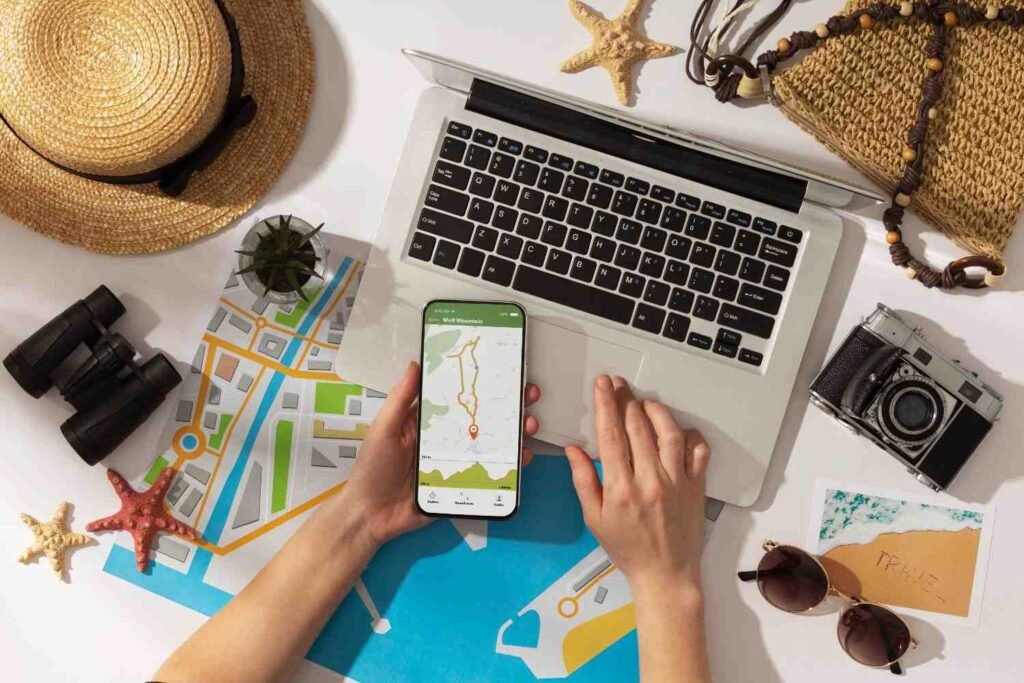
Airport terminals usually tell the same story: laptops open, coffee cups half-finished, boarding calls echoing, and travelers rushing from one obligation to the next. But a work trip does not always have to end at the meeting room door.
When planned carefully, it can also give you a chance to explore a new city, enjoy a slower weekend, or turn a packed business schedule into something more memorable.
That is why learning how to plan a bleisure trip matters. For US business travelers, the real trick is not just adding vacation days. It is knowing how to protect your work duties, separate expenses, use PTO wisely, and build personal time that actually feels relaxing.
What Is a Bleisure Trip?
A bleisure trip combines business travel with personal leisure time. The business portion stays professional, while the leisure portion becomes personal time. It only works when company-paid responsibilities and personal vacation choices stay clearly separated.
How Do You Start Planning a Bleisure Trip?
Start with the work side first. Confirm meeting times, event schedules, deliverables, travel approval, and expected working hours before planning anything fun. Treat professional days like office days, set fixed working hours, and communicate them to your team. If possible, front-load critical meetings and core tasks early so your leisure time feels earned.
What Should You Check in Your Company Travel Policy?
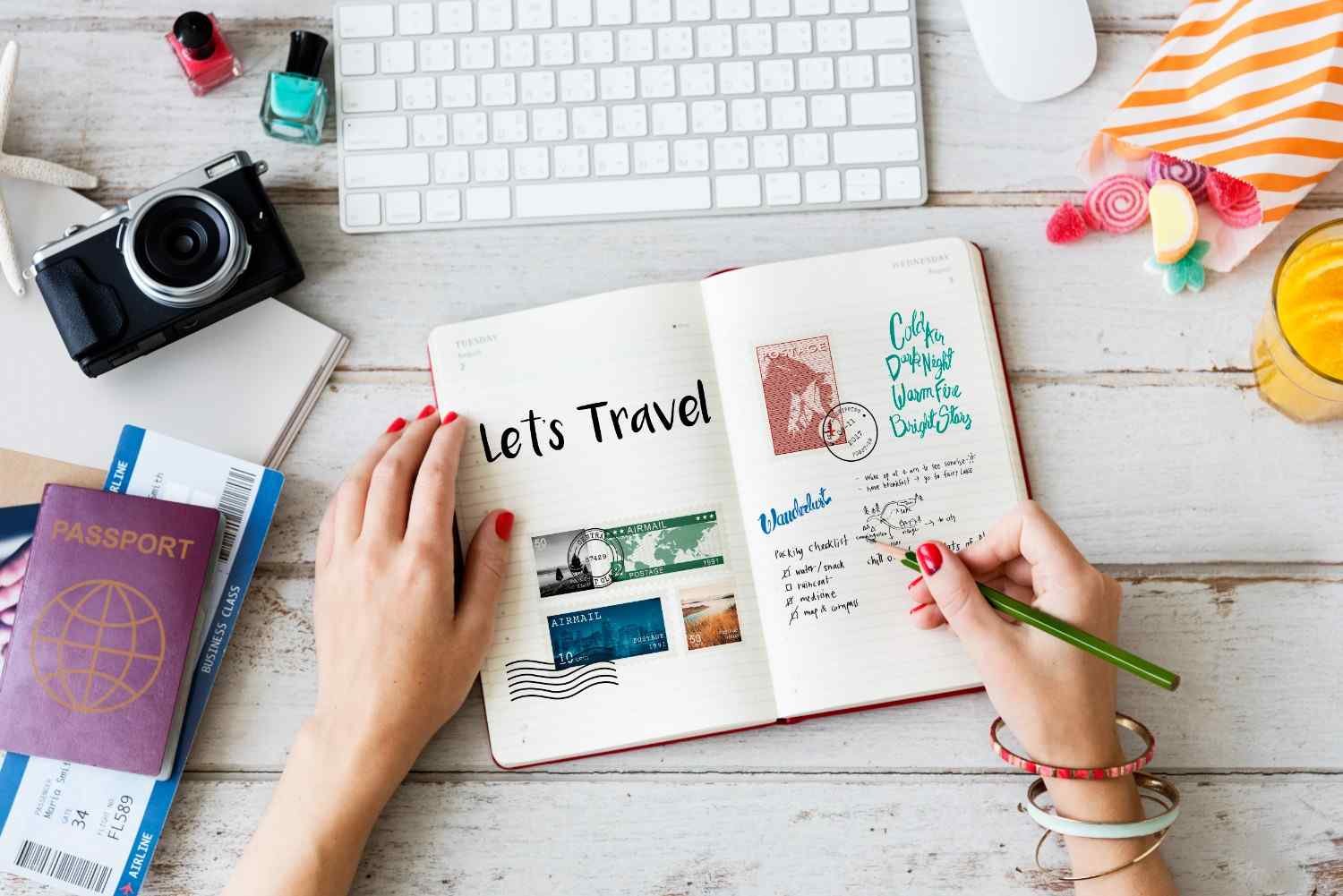
Before you invite a spouse, friend, or family member, review your corporate travel policy. Look for rules on hotel extensions, flight deviations, rental cars, meal reimbursement, personal guests, corporate cards, and travel insurance.
Expense separation matters most. Your employer may cover the original flight, approved weeknight hotel stay, airport transfer, conference fee, and business meals. You should expect to pay for weekend hotel nights, sightseeing, personal meals, family travel, entertainment, and added transportation. If your company would normally fly you home Friday but you want to return Sunday, ask whether you must pay any fare difference.
Why Should You Get Approval in Writing?
Even if your company supports bleisure travel, get approval in writing. A short email to your manager or travel team can explain that your work schedule will remain unchanged and that you will personally cover leisure costs.
Submit the blended itinerary through your normal pre-trip approval process with business dates, personal dates, hotel plans, flight changes, and PTO. Transparency helps with compliance and travel insurance rules.
When Should You Add Leisure Days to a Work Trip?
For many professionals, the easiest bleisure travel strategy is to use weekends. If meetings end on Thursday or Friday, staying through Sunday gives you a real break without using too much PTO. A holiday weekend can work even better.
Adding leisure after business usually feels easier than adding it before. Once meetings are over, you can close your laptop and enjoy the destination. Arriving early can help with jet lag, but do not exhaust yourself before an important presentation.
What Kind of Hotel Works Best for Bleisure Travel?

Choose lodging that supports both a mobile office and a vacation mood. If possible, pick a hotel close to meeting venues but still near restaurants, attractions, public transportation, or walkable neighborhoods.
Look for high-speed Wi-Fi, a comfortable desk, quiet rooms, reliable cell service, and an on-site business center. Then check leisure amenities such as a pool, spa, rooftop lounge, fitness center, or scenic lobby bar. If family joins you, look for suites, connecting rooms, parking, and family-friendly amenities.
How Can You Build a Realistic Bleisure Itinerary?
When time is limited, winging the leisure portion can waste precious hours. Research attractions, restaurants, tours, museums, and local experiences before you fly. Book popular tickets and dinner reservations early, especially in busy cities or during conference weeks.
Keep your itinerary realistic. I would rather choose one or two meaningful highlights per day than rush through five places and return home exhausted. During work evenings, pick nearby restaurants, short walks, live music, or a local neighborhood instead of long side trips. Also map cafes, hotel lounges, libraries, or coworking spaces with reliable internet for backup.
What Should You Pack for a Bleisure Trip?
Packing for bleisure travel means preparing for business meetings and personal downtime without overpacking. Choose business casual pieces that work in multiple settings, such as a blazer, wrinkle-resistant shirts, smart chinos, dark denim, comfortable loafers, and simple layers.
Keep your tech separate. Use a dedicated laptop bag for your computer, chargers, notebook, headphones, and work documents. During leisure hours, leave heavier work gear locked in your hotel room safe and carry only what you need.
What Bleisure Travel Mistakes Should You Avoid?
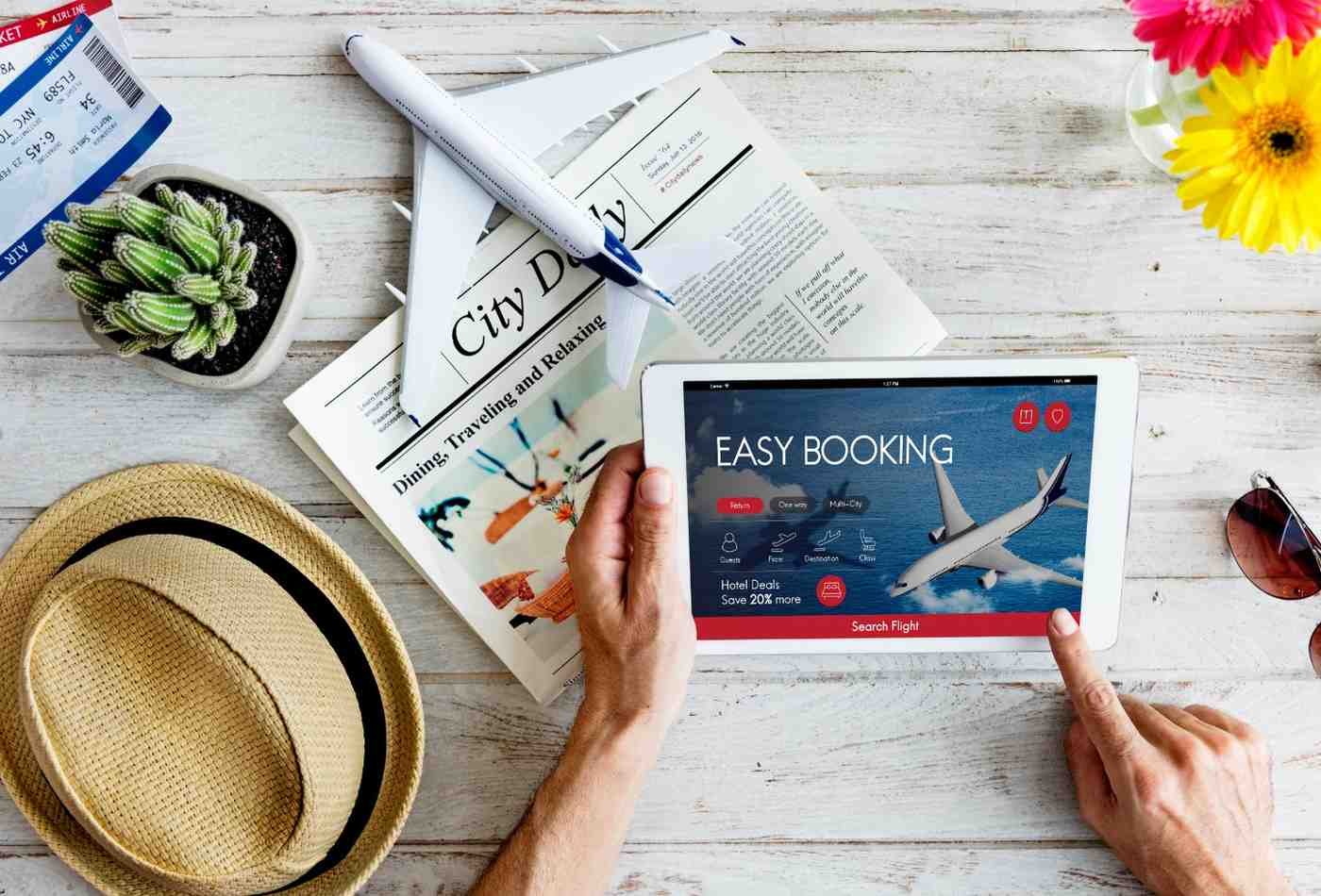
The biggest mistake is booking personal plans before your business schedule is final. Client dinners, meeting changes, delayed flights, and conference updates can disrupt non-refundable tours or hotel stays.
Another mistake is mixing receipts. Ask hotels to split business and personal nights, use separate cards when possible, and save every receipt. You should also avoid overplanning, ignoring Wi-Fi needs, forgetting PTO approval, misunderstanding vacation leave, or assuming family travel is automatically allowed under company policy.
FAQs About Bleisure Travel
1. Who pays for a bleisure trip?
Your employer pays for approved business costs, while you pay for personal hotel nights, meals, activities, guests, and leisure transportation.
2. Is it better to add leisure days before or after a business trip?
After work is usually easier because your meetings and presentations are already finished.
3. Can I bring my family on a bleisure trip?
Yes, if your company policy allows it, but you should cover their flights, food, activities, and extra lodging costs.
4. How many days should I add to a work trip?
One to three leisure days usually gives you enough time without making the trip too expensive.
Final Thoughts
Now that you know how to plan a bleisure trip, keep the experience simple, professional, and enjoyable. Start with policy, approval, expenses, and TSA carry on rules. Then build a realistic schedule, choose hybrid accommodations, pack smart, and protect your personal time.
I believe bleisure travel works best when it feels intentional. You do not need to turn every business trip into a full vacation. Even one well-planned weekend can help you explore a new city, recharge after meetings, and make work travel feel more rewarding.