
Life can feel like an endless checklist of responsibilities, deadlines, and goals. Somewhere between chasing what’s next and fixing what’s wrong, it’s easy to overlook what’s already going right. Learning how to practice gratitude in daily life helped transform ordinary moments into meaningful ones.
The best part is that gratitude does not require extra money, more free time, or a perfect life. It simply requires a shift in attention toward the good that already exists around you.
Key Takeaways
- Gratitude helps you focus on abundance instead of lack.
- Small daily habits create lasting emotional benefits.
- Consistency matters more than doing gratitude perfectly.
- Expressing appreciation strengthens personal relationships.
- Simple gratitude practices can improve overall well-being.
What Makes Gratitude So Powerful?
The growing interest in how to practice gratitude in daily life is not just another wellness trend. People are discovering that gratitude can make everyday experiences feel richer and more meaningful.
Think of gratitude as a mental spotlight. Most people naturally focus on problems, stress, and unfinished tasks. Gratitude redirects attention toward positive experiences, supportive relationships, and personal growth opportunities. That small shift can make a surprisingly big difference in how life feels.
Research in positive psychology also suggests that gratitude can support emotional resilience, reduce stress, and improve life satisfaction. In a fast-paced world, that makes gratitude a powerful personal growth tool.
The Real Benefits Of Daily Gratitude
Understanding the benefits can make it easier to stay committed to the practice.
Better Emotional Balance
Gratitude helps create a healthier perspective on everyday challenges. Instead of getting stuck in frustration, you become more aware of what is working well. This balanced outlook can support emotional stability and help reduce negative thinking patterns over time.
Stronger Relationships
People naturally feel valued when appreciation is expressed sincerely.Whether it is a partner, friend, family member, or colleague, gratitude helps deepen connections and build trust. Small expressions of appreciation often create stronger bonds than grand gestures.
Greater Personal Growth
Personal development begins with awareness. When you regularly recognize lessons, opportunities, and progress, you develop a growth mindset. Gratitude encourages reflection and helps you appreciate how far you have already come.
How To Practice Gratitude In Daily Life
Building gratitude becomes easier when it feels natural rather than forced.
Create A Gratitude Jar
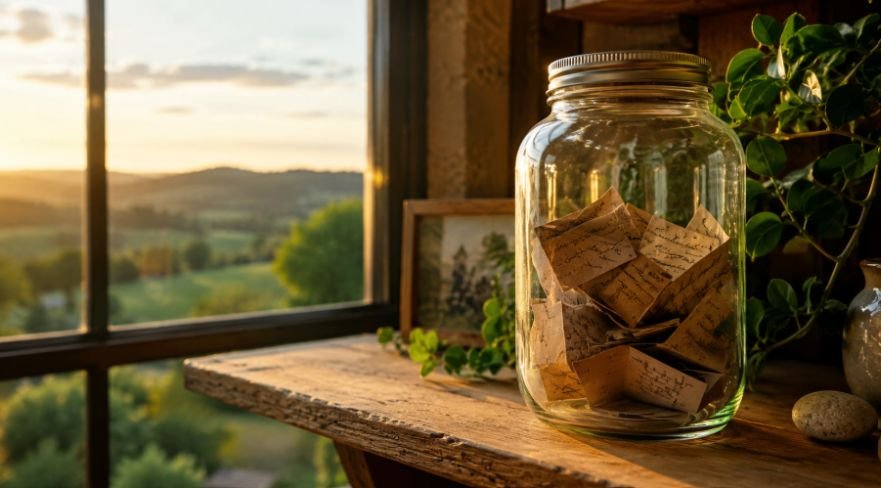
A gratitude jar turns appreciation into a visual habit. Keep small pieces of paper and a jar in an accessible location. Each day, write down one positive experience and place it inside. Over time, the jar becomes a collection of meaningful memories that you can revisit whenever you need encouragement.
Start With The Bookend Method
One of the simplest ways to practice gratitude is by beginning and ending your day with reflection.
Every morning, write down three things you appreciate before starting your routine. They can be as simple as a warm bed, good health, or a supportive family member. Before sleeping, repeat the exercise by identifying three positive moments from your day. This practice helps train your brain to notice positive experiences more consistently.
Keep A Gratitude Journal
A gratitude journal provides a dedicated space to capture meaningful moments. Rather than writing lengthy entries, focus on specific details. Instead of writing that you are grateful for friends, note a particular conversation or act of kindness that made your day better. Specific gratitude often creates a stronger emotional impact than general statements.
Turn Gratitude Into Action
Gratitude becomes more powerful when it moves beyond thoughts.
Take A Gratitude Walk

Walking mindfully can transform a simple activity into a gratitude practice. During your walk, pay attention to your surroundings using all five senses. Notice the warmth of the sunlight, the sound of birds, the movement of leaves, or the smell of fresh air. Appreciating these small details strengthens present-moment awareness.
Reframe Daily Frustrations
Not every day will go smoothly. When something frustrating happens, challenge yourself to find a lesson, opportunity, or unexpected benefit hidden within the situation. This does not mean ignoring difficulties. It means choosing to see the full picture rather than only the problem.
Appreciate Small Wins
Many people reserve gratitude for major achievements. Instead, celebrate everyday victories. Completing a task, maintaining a healthy habit, learning something new, or simply making it through a challenging day all deserve recognition.
Share Gratitude With Others
Expressed gratitude often creates the greatest impact.
Try The Thank You Audit
Take notice of the people who make your day easier. Whether it is a coworker, cashier, barista, friend, or family member, make a conscious effort to offer genuine thanks. Eye contact and sincerity can make a simple thank you feel meaningful.
Bring Gratitude To The Dinner Table
Gratitude becomes easier when shared regularly. During dinner or a phone call with loved ones, encourage everyone to share one positive moment from their day. This simple habit can strengthen relationships and create a more positive atmosphere.
Write A Gratitude Letter
Some forms of gratitude leave lasting impressions. Write a letter to someone who has positively influenced your life. Be specific about what they did and why it mattered. Even if you never send it, the exercise can be deeply meaningful.
Make Gratitude Stick
Long-term success comes from consistency. Building a lasting gratitude practice becomes easier when you understand self discipline and self control skills, because both help you stay consistent even when motivation feels low.
Use Visual Reminders

Visual cues make habits easier to maintain. Place sticky notes on your mirror, workspace, or dashboard as reminders to pause and appreciate something positive. These small prompts help keep gratitude top of mind throughout the day.
Connect Gratitude To Existing Habits
Attaching gratitude to routines increases consistency. Practice gratitude while drinking your morning coffee, brushing your teeth, commuting, or preparing for bed. Existing habits act as natural reminders.
You can make gratitude easier to repeat by connecting it with daily habits to improve life with simple routines, so appreciation becomes part of your morning, evening, and everyday mindset.
Focus On Progress
Perfection is not the goal. Some days gratitude will feel effortless, while other days it may require more intention. Showing up consistently matters far more than doing it perfectly.
Frequently Asked Questions
1. What Are The 4 A’s Of Gratitude?
The 4 A’s of gratitude are Appreciation, Approval, Admiration, and Attention. Together, they encourage people to notice positive experiences, value others, and become more mindful of the good things present in daily life.
2. What Is Gratitude 3 Things A Day?
This practice involves writing down three things you are grateful for every day. It helps train your mind to focus on positive experiences and can gradually improve emotional well-being and self-awareness.
3. Does Gratitude Reduce Cortisol?
Studies suggest that gratitude may help lower stress levels and support healthier cortisol regulation. Regular gratitude practices can encourage calmer emotional responses and contribute to overall mental wellness.
4. What Are 5 Ways To Show Gratitude?
You can show gratitude by expressing thanks verbally, writing appreciation notes, helping others, acknowledging effort, and maintaining a gratitude journal. These actions help strengthen relationships and create positive daily habits.
The Happiness Shortcut You Already Have
Learning how to practice gratitude in daily life is less about changing your circumstances and more about changing your perspective. Through simple habits like journaling, gratitude walks, meaningful conversations, and daily reflection, appreciation becomes part of everyday living.
The more consistently you practice how to practice gratitude in daily life, the easier it becomes to find joy, build resilience, and create a more fulfilling personal growth journey.